
Is Diving at Lighthouse Reef Atoll Safe?
Short answer:
Yes—diving at Lighthouse Reef Atoll is very safe when done with the right preparation and the right team.
But this is not mainland Belize.
This is:
And that’s exactly why people ask:
👉 Is it actually safe out here?
Because out here…
Safety isn’t just about the dive.
It’s about understanding the environment you’re stepping into.
If you’re thinking about making the trip out here, it’s worth understanding how to plan it properly—from travel timing to dive expectations.
👉 Planning to Go Diving in Belize
Because Lighthouse Reef is not operated like a rushed mainland day trip, the entire experience is structured differently from the beginning.
Guests stay directly on the atoll itself — close to the dive sites, close to the conditions, and supported by a team that lives and works on Lighthouse Reef regularly.
That changes everything from:
And for many divers, that’s what actually makes the experience feel calmer once they arrive.
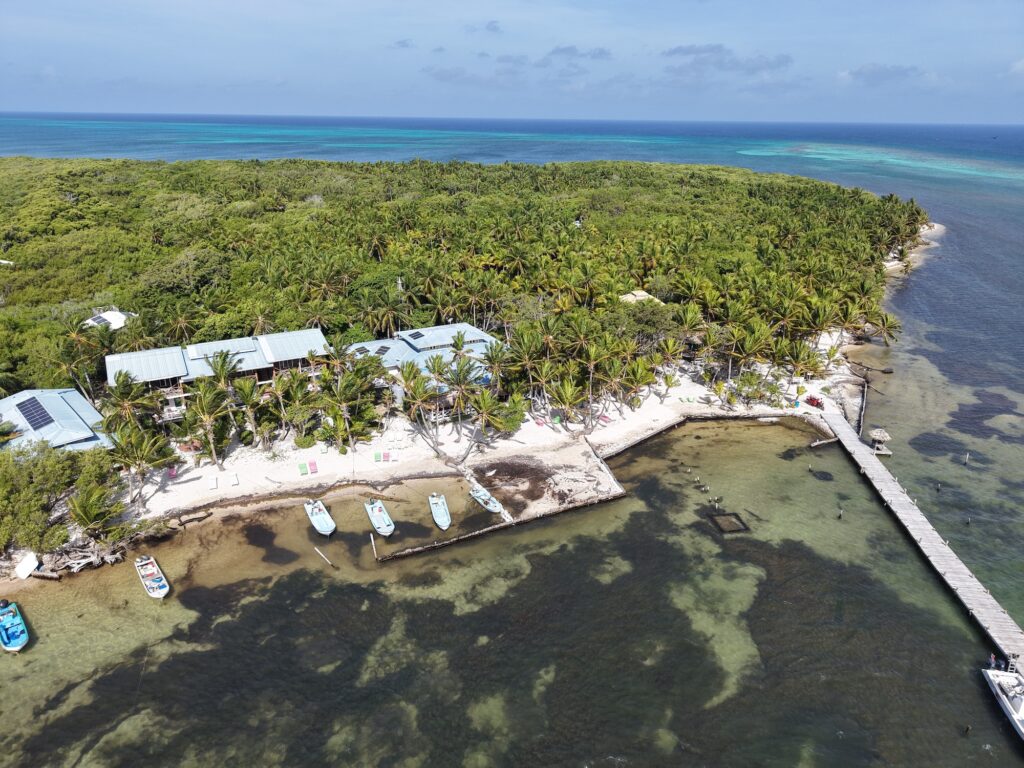
Search data shows people are actively asking:
These questions don’t come from nowhere.
They come from:
And honestly…
Those are valid concerns.
The Great Blue Hole looks intimidating.
Because it is.
But here’s what most people misunderstand:
👉 The Blue Hole is a controlled dive—not a free descent into the unknown.
Typical dives:
What really matters:
👉 This is why it’s best suited for:
Advanced Open Water divers
Or divers comfortable with deep profiles
And just as important:
👉 Most of your diving here is NOT the Blue Hole.
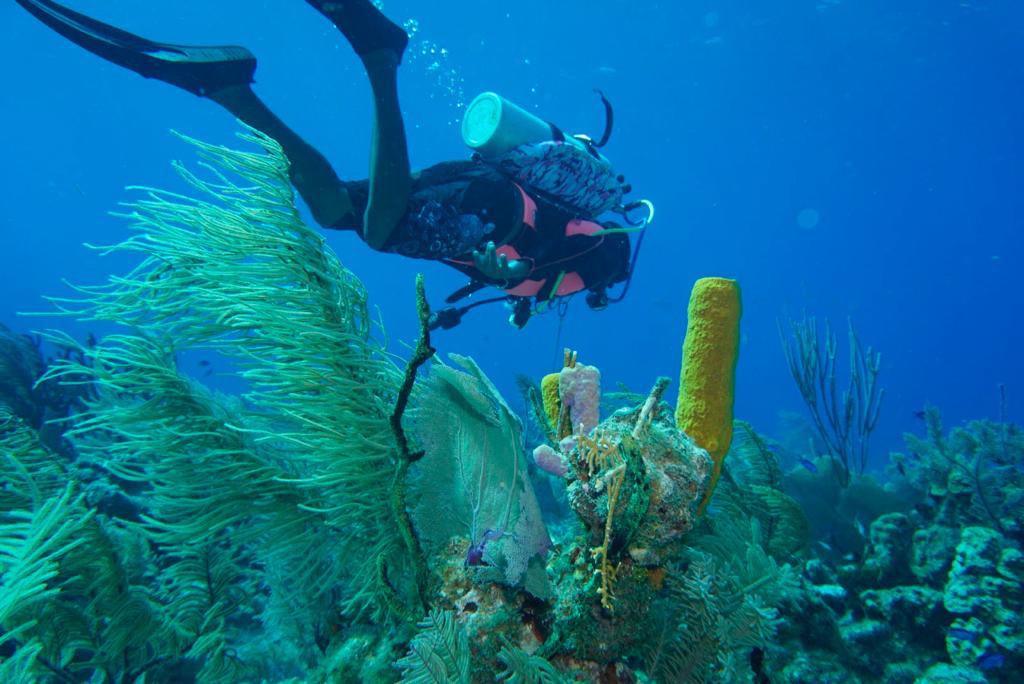
It’s the surrounding reef at Lighthouse Reef Atoll—
where conditions are often easier, clearer, and full of life.
If you’re wondering how dives here are actually structured—from briefings to depth profiles—it helps to see how the experience is run in practice.
👉 Diving at Itza Resort
In reality, many divers leave Lighthouse Reef talking more about:
because that’s where the color, marine life, and reef interaction truly come alive.
The Blue Hole is iconic.
But the reef around it is what often becomes unforgettable.
Yes—you will likely see sharks here.
At Lighthouse Reef, that can include:
But here’s the truth:
👉 Shark attacks in Belize are extremely rare.
These are not feeding shows.
Not aggressive environments.
Encounters are:
The diversity of marine life here is part of what makes Lighthouse Reef so unique—not just sharks, but constant movement across the reef.
👉 Marine Life at Lighthouse Reef
What matters more than sharks?
👉 Diver behavior and guide awareness
Good dive teams:
And more importantly—the people guiding you out here are part of what makes the experience safe and memorable.
👉 Itza Resort Staff & Dive Crew
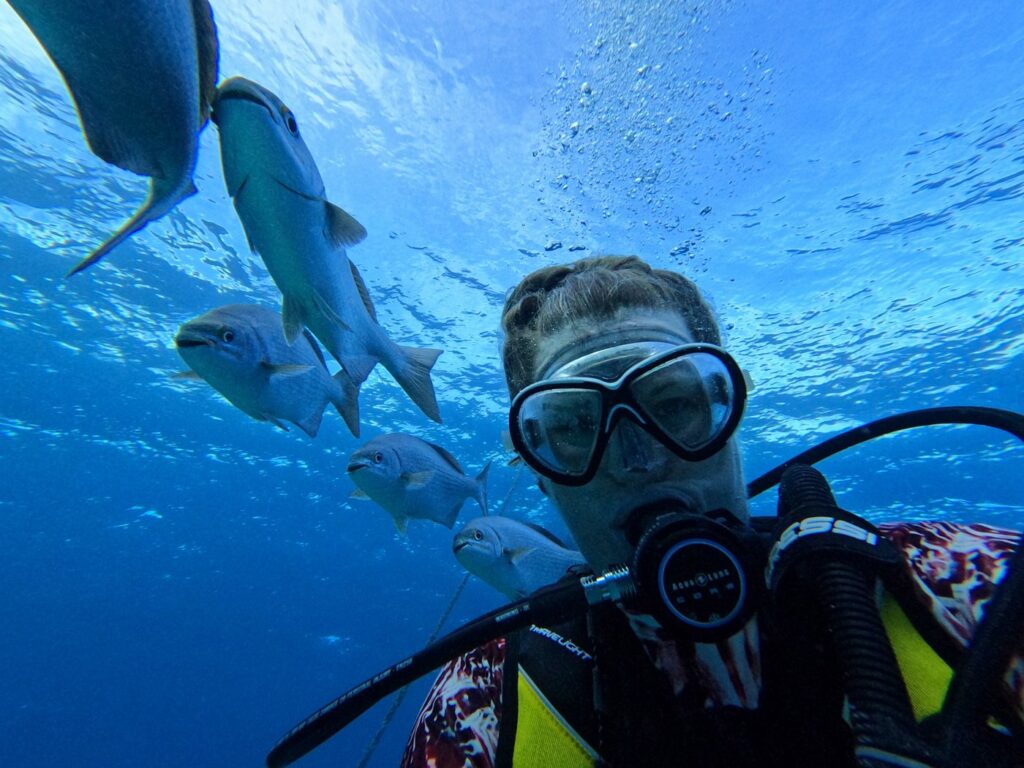
This is where most websites get it wrong.
The real risks are not sharks.
They are:
1. Experience Level
Pushing beyond your limits is the biggest risk.
👉 This is where good guidance matters.
2. Weather & Sea Conditions
Lighthouse Reef is fully exposed.
That means:
👉 Trips are always assessed based on weather and sea conditions before departure.
Good operators:
3. Remoteness
This is the biggest difference.
At Lighthouse Reef Atoll:
👉 This doesn’t make it unsafe.
It makes it real.
What that actually feels like—day to day, on the island—is something most people don’t fully understand until they arrive.
👉 Staying on Lighthouse Reef Atoll
4. Marine Life Awareness (Lionfish Reality)
Lionfish are one of the few species here that are venomous to humans.
They are not aggressive.
But if you’re accidentally poked:
Like many things at Lighthouse Reef, awareness and guidance matter more than fear.
And this is where it hits you:
👉 You are far from the mainland.
Everything depends on:
Good dive teams:
👉 Out here, even small things matter more.
5. Poor Planning
This causes more issues than anything else.
A lot of these risks don’t come from the ocean—they come from not knowing what to expect before you arrive.
👉 What to Expect at Itza Resort
Most experienced divers do not see Lighthouse Reef as dangerous.
They see it as offshore diving.
That means:
The environment rewards preparation far more than fear.
And that’s one reason many divers actually prefer staying directly on the atoll instead of commuting long hours from the mainland each day.
This is not coastal Belize.
There’s:
You are on a coral atoll in the open Caribbean.
That creates:
But also:
👉 A greater reliance on your dive team
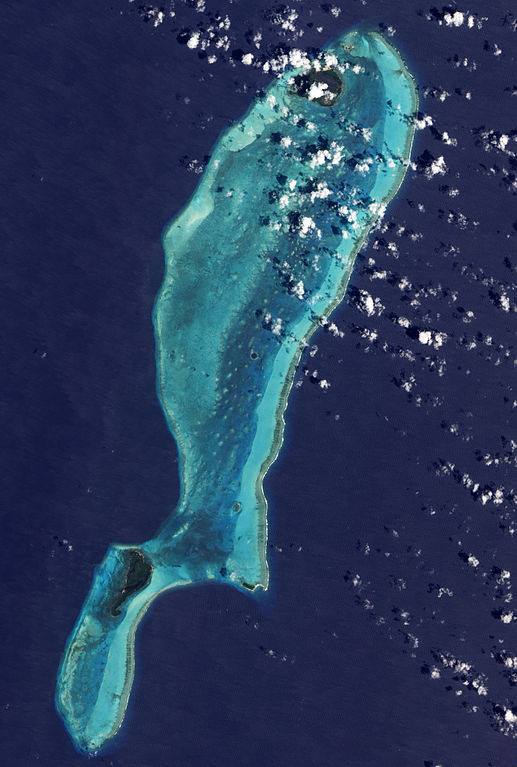
Getting to Lighthouse Reef Atoll is part of the experience.
And for many people… it’s the moment where the remoteness becomes real.
The journey from Belize City to the atoll takes about two hours by boat.
Along the way, you cross two major reef systems:
These crossings even have names among captains and crew.
👉 The first stretch is often called “The Washing Machine”
(where waves can move in multiple directions between reef gaps)
👉 The second is known as “The Rollercoaster”
(after passing Turneffe, where the open sea can bring longer swells)
For many guests, the boat ride becomes part of the memory of the trip itself.
It’s the moment where mainland Belize slowly disappears behind you and the open Caribbean begins to take over.
Some days are calm and glassy.
Other days remind you that Lighthouse Reef is a true offshore atoll exposed to real sea conditions.
Either way, experienced captains adjust routes, timing, and speed based on real-time conditions to keep the journey as safe and comfortable as possible.
This dramatically softens and balances the crossing section emotionally.
This is not a calm lagoon transfer.
It’s open water.
👉 Motion-sickness remedies like Dramamine are commonly used by travelers who are sensitive to boat movement.
👉 Conditions vary by day, but experienced captains adjust timing and routes to keep the journey as smooth as possible.
From timing your arrival in Belize to coordinating the boat departure, there are a few details most people don’t realize until they’re already planning.
👉 Getting Here
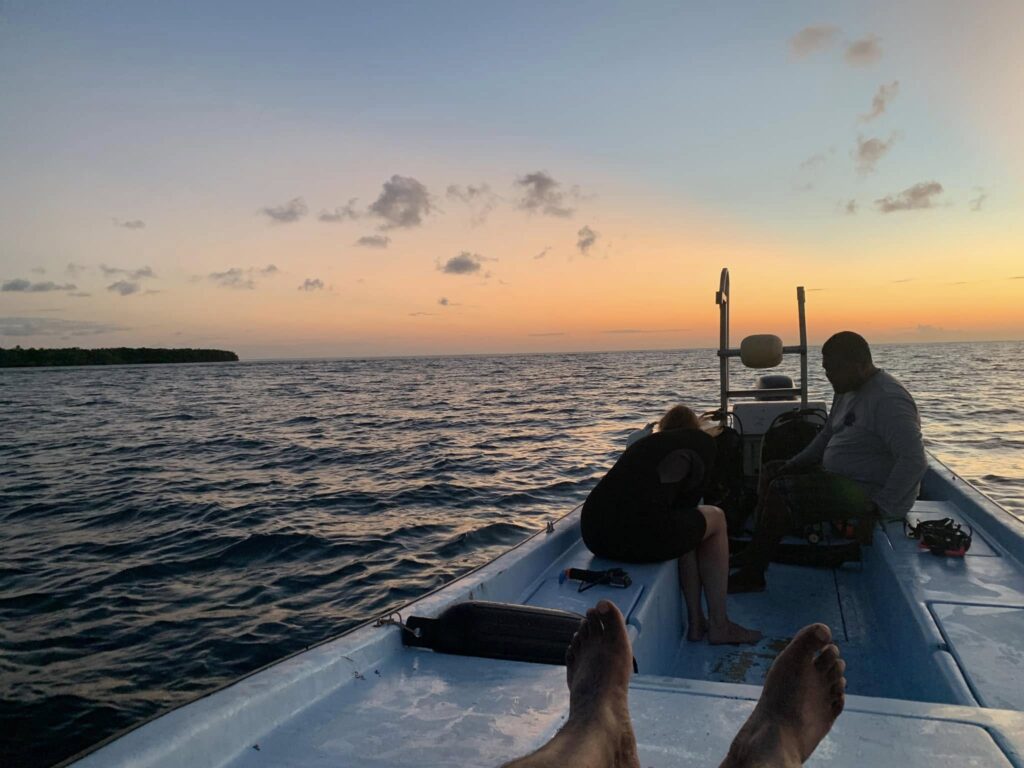
If you feel even the slightest hesitation…
👉 Talk to your captain before leaving the dock.
That one conversation can:
And once you’re out there…
It all starts to make sense.
Because that stretch of water you just crossed?
👉 That’s what keeps Lighthouse Reef wild, uncrowded, and worth it.
Where you stay at Lighthouse Reef matters more than people realize.
At Itza Resort, the experience is built around the realities of the atoll:
That last part matters most.
Because safety here isn’t just about certification.
It’s about:
👉 That only comes from being here consistently.
Some travelers arrive worried about:
But once they settle into the rhythm of the atoll, most realize the experience feels more organized and grounded than they expected.
Because out here, the environment demands:
And that tends to create a calmer kind of diving.
This is one of the strongest additions psychologically.
Diving at Lighthouse Reef Atoll is not dangerous.
But it’s not casual either.
It’s real ocean.
And that’s exactly why people remember it.
Because when it’s done right—
👉 It becomes one of the safest, most unforgettable dive experiences in Belize.
Because Lighthouse Reef Atoll is a remote offshore destination, both travel insurance and dive insurance are strongly recommended for all guests.
Experienced divers understand that proper preparation is part of offshore diving — not because the environment is unsafe, but because remoteness changes:
Insurance providers such as DAN (Divers Alert Network) are commonly used by divers traveling to remote destinations.
This makes Itza feel much more operationally serious and professional.
If you’re thinking about diving the Blue Hole or staying at Lighthouse Reef Atoll:
Take your time planning.
Because out here…
Where you stay, who you dive with, and how your trip is structured—
👉 That’s what defines your experience.
Not ready to book yet?
Take a moment to plan your trip, check availability, or learn how to book safely and avoid third-party confusion.

✔ Certified divers
✔ Couples and small groups
✔ Reef-focused travelers
✔ Guests who enjoy quiet, remote places
May not be ideal for
✖ Luxury seekers
✖ Non-divers
✖ Nightlife travelers
Non-divers are welcome, especially if they enjoy snorkeling, quiet island time, and nature — but Itza Resort is built around reef access and diving.
Why Divers Choose Itza

Plan Your Dive Trip
→ Dive Packages
→ Blue Hole vs Ambergris
→ Real Cost of a Dive Trip
→ What It’s Like Staying Here
Ready to Plan Your Stay?
Trips to Lighthouse Reef take a bit more planning — from boat transfers to dive days.
If you’re considering it, we can help you put it together properly.