When most people think about Lighthouse Reef Atoll, they think about one thing: the Great Blue Hole.
The famous circular sinkhole has become one of the most recognizable diving destinations on Earth, attracting divers, snorkelers, and adventurers from around the world.
But what many visitors don’t realize is that the Blue Hole is only one part of a much larger story.
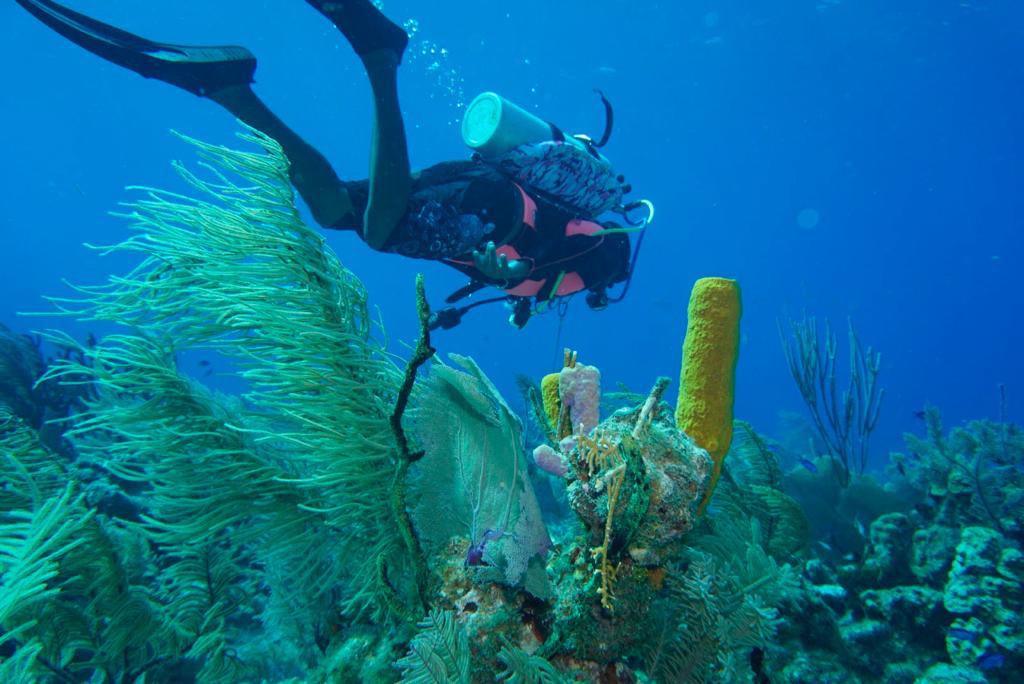
Lighthouse Reef Atoll is an entire offshore ecosystem made up of islands, coral reefs, lagoons, bird sanctuaries, wall dives, research sites, and some of the healthiest coral habitats in Belize.
For those who take the time to explore beyond the Blue Hole, Lighthouse Reef reveals itself as one of the Caribbean’s most remarkable marine environments.
More about island in Belize
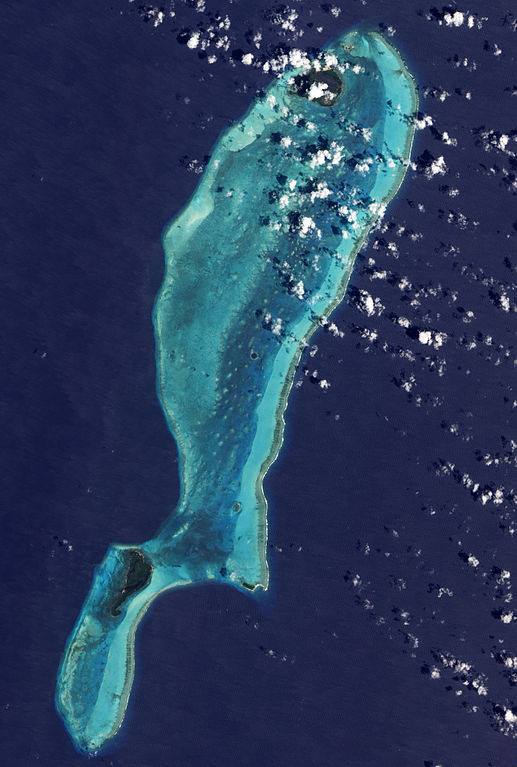
Located approximately 50 miles (80 km) southeast of Belize City, Lighthouse Reef Atoll is the easternmost of Belize’s three offshore atolls.
The atoll measures roughly 22 miles long and 5 miles wide, surrounding a shallow turquoise lagoon filled with patch reefs, seagrass beds, and marine life.
Within this atoll are several small cayes, each with its own personality, history, and ecological importance.
Together they form the hidden side of Lighthouse Reef that most day visitors never experience.
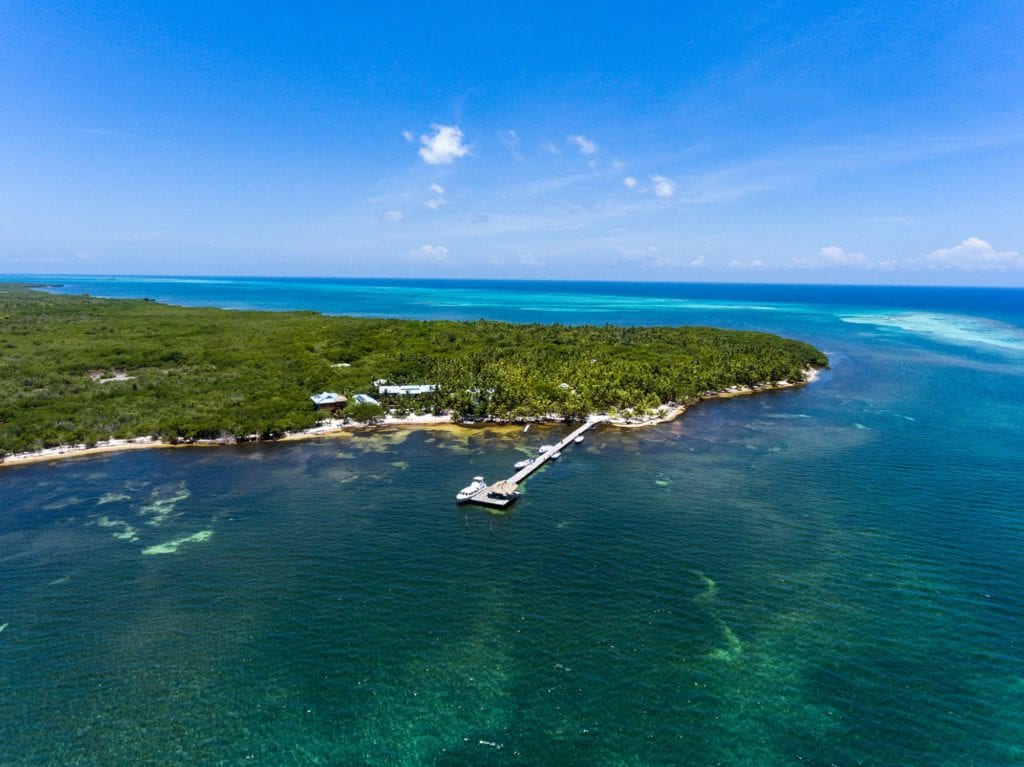
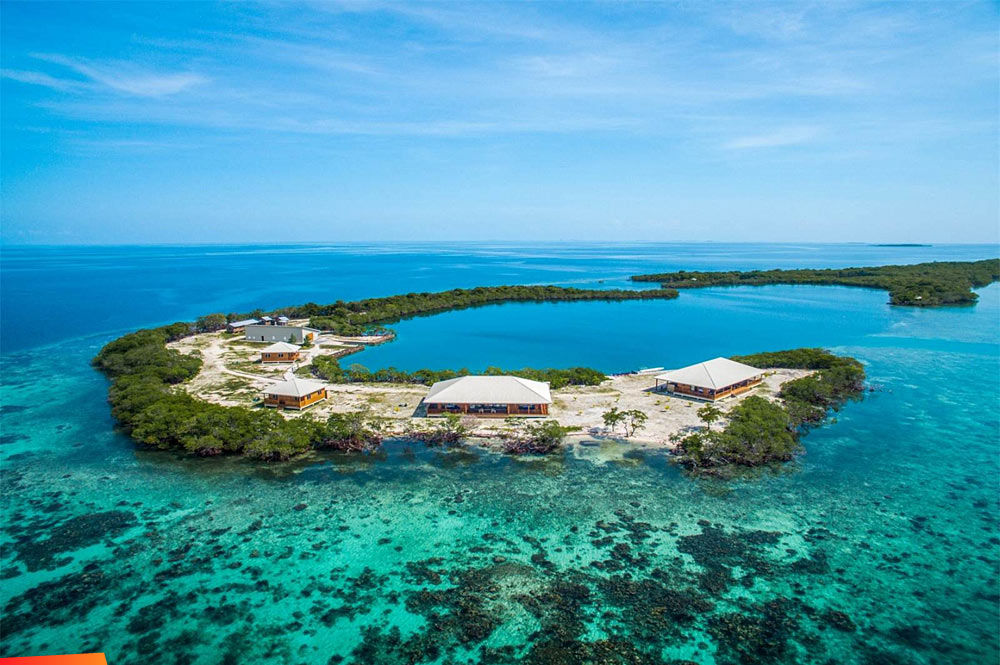
For many travelers, Long Caye is the gateway to experiencing Lighthouse Reef beyond a day trip.
Located along the southeastern side of the atoll, Long Caye is home to Itza Resort and serves as a base for divers, researchers, conservation groups, and university field programs.
Unlike mainland visitors who spend hours crossing open water, guests staying on Long Caye wake up already surrounded by the reef.
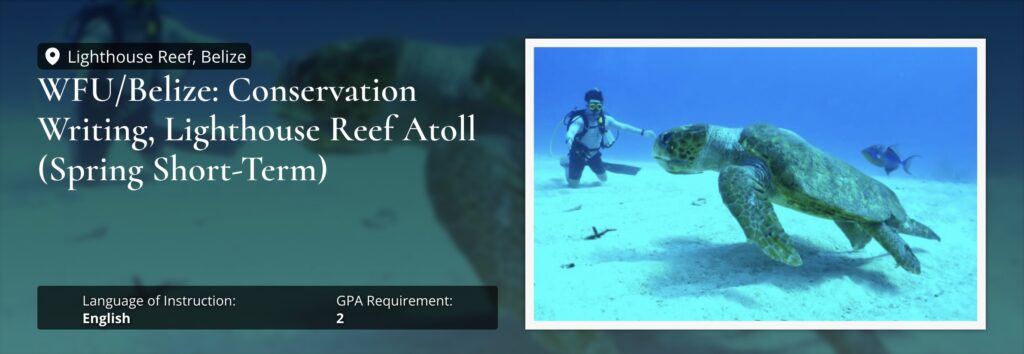
Long Caye has also served as a field base for conservation and educational programs, including university courses studying reef ecology, sustainability, and environmental writing.
For many divers, Long Caye represents the most immersive way to experience Lighthouse Reef Atoll.
If the Great Blue Hole is Lighthouse Reef’s most famous underwater attraction, Half Moon Caye is its most important wildlife sanctuary.
Protection began in 1924, making Half Moon Caye Belize’s oldest protected area.
Today the island is managed by the Belize Audubon Society and forms part of the UNESCO Belize Barrier Reef Reserve System.
The red-footed booby colony is especially significant because it is one of the few remaining breeding colonies in the western Caribbean.
Visitors often arrive expecting only a beach stop and leave realizing they have visited one of Belize’s most important conservation sites.
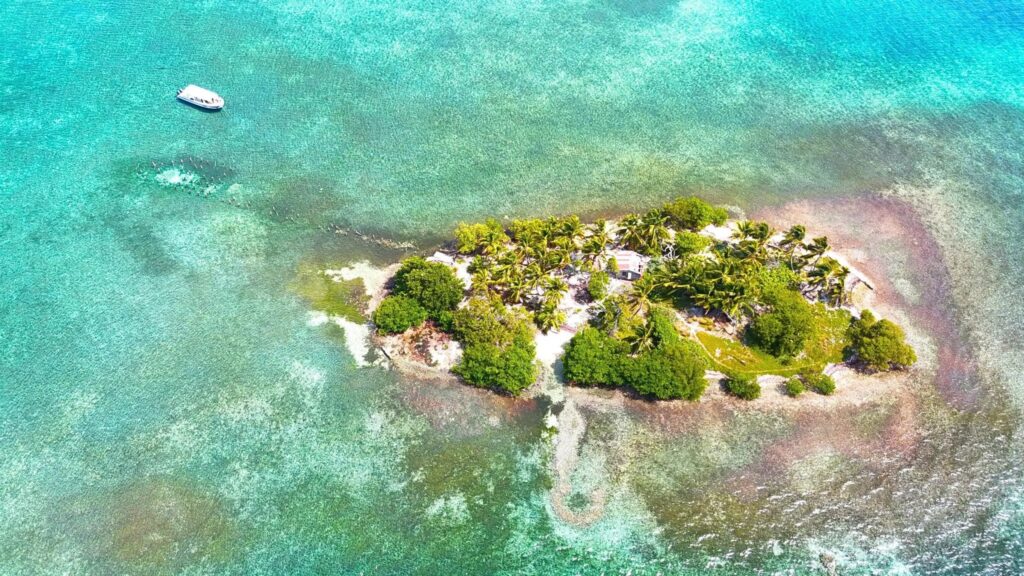
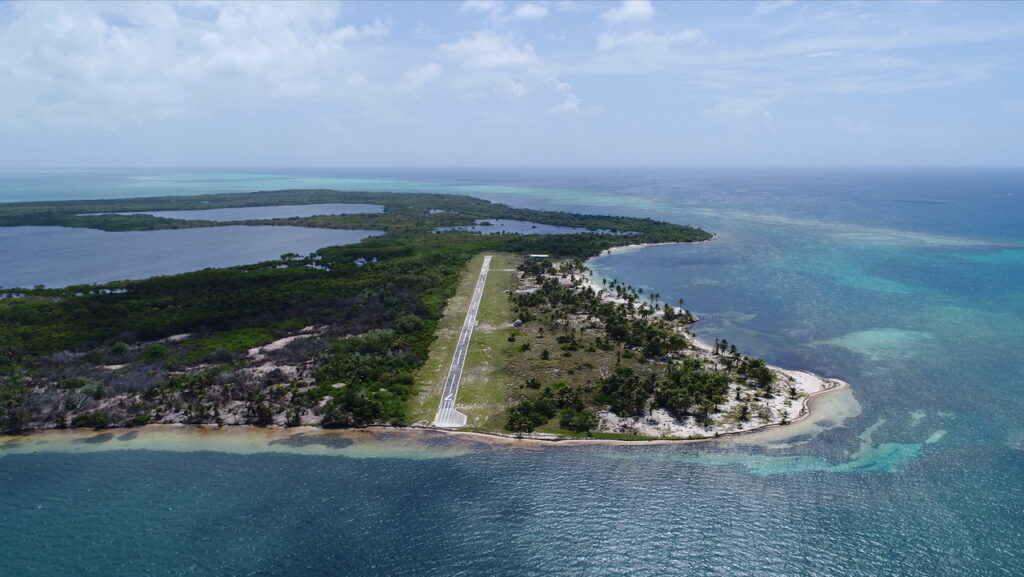
Hat Caye sits on the northern portion of Lighthouse Reef and remains one of the least-visited islands within the atoll.
Small, isolated, and surrounded by coral reef habitat, it represents the wild and undeveloped nature of offshore Belize.
Unlike Long Caye and Half Moon Caye, Hat Caye sees relatively little visitor traffic.
Its importance lies in its role as part of the larger reef ecosystem that supports fish populations, seabirds, and marine biodiversity throughout the atoll.
For boaters and fishermen, Hat Caye has long served as a navigation point within Lighthouse Reef.
Saddle Caye is another small island within the atoll that many visitors never see.
While it may appear insignificant on a map, islands like Saddle Caye play an important ecological role.
These small cayes provide:
Together with the reef itself, they create a network of interconnected habitats that support the health of Lighthouse Reef as a whole.
At the northern end of Lighthouse Reef are Northern Caye and nearby Sandbore Caye.
These islands help define the northern boundary of the atoll and contribute to the diversity of habitats found throughout the reef system.
Historically, these cayes have played a role in navigation and reef exploration.
Today they remain largely undeveloped and are valued for their natural character and ecological importance.
The surrounding waters contain healthy coral formations, fish habitats, and opportunities for scientific research.
More on Marin Live at Lighthouse Reef
Most travel content focuses almost entirely on the Great Blue Hole.
Yet the Blue Hole itself occupies only a small part of Lighthouse Reef Atoll.
The surrounding cayes support:
Without these islands, Lighthouse Reef would not function as the thriving marine environment it is today.
Each caye contributes something unique to the atoll’s ecological story.
One of the lesser-known aspects of Lighthouse Reef is its role in education and research.
Universities and conservation organizations regularly use the atoll as a field laboratory.
Students studying marine conservation, environmental writing, ecology, and sustainability often visit multiple cayes within the atoll to understand how different ecosystems interact.
This makes Lighthouse Reef more than a tourist destination.
It is a living classroom where future scientists, conservationists, and environmental leaders learn directly from one of the Caribbean’s most important reef systems.
The Great Blue Hole may be the reason many travelers first hear about Lighthouse Reef Atoll.
But it is rarely the reason they remember it.
What stays with visitors are often the moments in between:
The Blue Hole is the icon.
The islands are the soul of Lighthouse Reef.
Together they create one of Belize’s most extraordinary marine destinations.
Whether you’re diving, snorkeling, birdwatching, researching, or simply seeking a deeper connection with Belize’s natural world, exploring the islands of Lighthouse Reef Atoll reveals a side of the reef that most visitors never see.
✔ Certified divers
✔ Couples and small groups
✔ Reef-focused travelers
✔ Guests who enjoy quiet, remote places
May not be ideal for
✖ Luxury seekers
✖ Non-divers
✖ Nightlife travelers
Non-divers are welcome, especially if they enjoy snorkeling, quiet island time, and nature — but Itza Resort is built around reef access and diving.
Why Divers Choose Itza
Plan Your Dive Trip
→ Dive Packages
→ Blue Hole vs Ambergris
→ Real Cost of a Dive Trip
→ What It’s Like Staying Here
Ready to Plan Your Stay?
Trips to Lighthouse Reef take a bit more planning — from boat transfers to dive days.
If you’re considering it, we can help you put it together properly.