Magical Thrill of the Great Blue Hole in Belize

Experience the Great Blue Hole Belize: Diving, Flyovers & Why It's One of the World's Most Photographed Natural Wonders

The Great Blue Hole Isn’t Just a Place

It’s a moment.

A perfect circle of deep blue surrounded by brilliant turquoise reef.

Seen from above, it almost looks unreal.

Located within Lighthouse Reef Atoll, approximately 55 miles offshore from mainland Belize, the Great Blue Hole has become one of the most recognizable natural landmarks on Earth.

For many travelers, their first encounter isn’t underwater.

It’s through a photograph.

A magazine cover.

A drone video.

Or an image that makes them stop scrolling.

The Great Blue Hole is one of the most photographed natural wonders in the Caribbean—and one of the few places that looks just as impressive in person as it does in photos.

👉 Planning to Go Diving in Belize

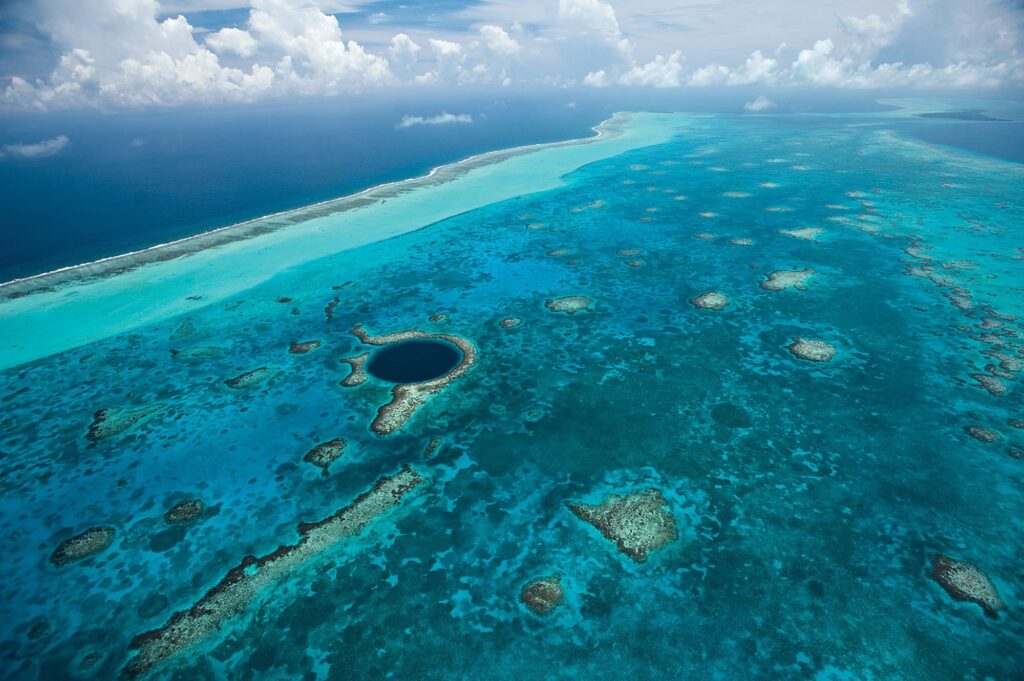
Aerial view of the Great Blue Hole at Lighthouse Reef Atoll in Belize showing deep blue sinkhole surrounded by coral reef and turquoise water
The Great Blue Hole at Lighthouse Reef Atoll — one of Belize’s most iconic and photographed dive sites, visible from both the air and underwater.

Great Blue Hole Photos: What You're Actually Looking At

The famous aerial photos reveal several things at once:

✔ The nearly perfect circular shape

✔ The dramatic contrast between reef and deep water

✔ The surrounding coral formations

✔ The isolation of Lighthouse Reef Atoll

✔ The immense scale of the sinkhole itself

From above, the Blue Hole appears almost black in the center because of its depth.

The surrounding waters glow bright turquoise thanks to the shallow reef platform that surrounds it.

That visual contrast is what makes Great Blue Hole photos instantly recognizable worldwide.

Why Is the Great Blue Hole So Photogenic?

Few places combine:

  • Deep ocean blue
  • Brilliant coral reef colors
  • Perfect natural geometry
  • Remote island scenery

into a single view.

Unlike many famous dive sites that only reveal their beauty underwater, the Great Blue Hole is spectacular from both the air and beneath the surface.

This is one reason travelers who never dive still place it on their bucket list.

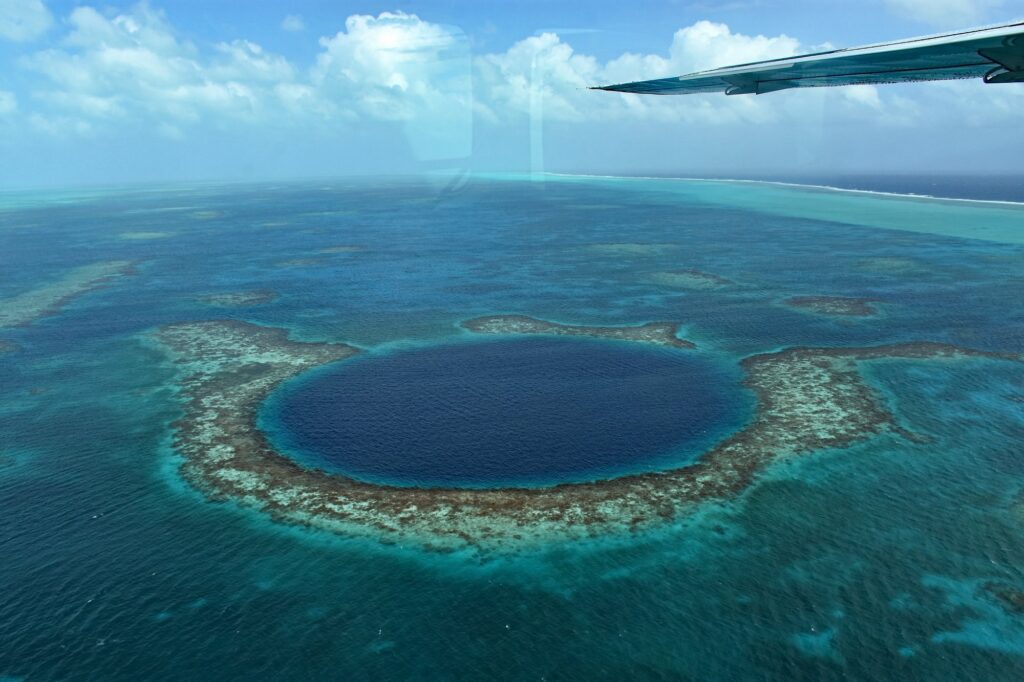
Aerial view of the Great Blue Hole in Belize from a scenic flight, showing the circular marine sinkhole surrounded by turquoise coral reef at Lighthouse Reef Atoll.
The Great Blue Hole viewed from the air at Lighthouse Reef Atoll, Belize. This iconic marine sinkhole is one of the world's most photographed natural wonders and a highlight of scenic flights and diving adventures.

Seeing the Great Blue Hole from Above

For many visitors, a flyover becomes the highlight of their trip.

A scenic flight provides:

✔ The iconic aerial view

✔ Lighthouse Reef Atoll from above

✔ Half Moon Caye

✔ The surrounding Belize Barrier Reef

From the air, you can appreciate something that is impossible to see underwater:

the complete scale of the formation.

For photographers, this is often the ultimate Great Blue Hole experience.

Diving the Great Blue Hole

For divers, the experience becomes something completely different.

This is not a colorful reef dive.

It is a descent into geological history.

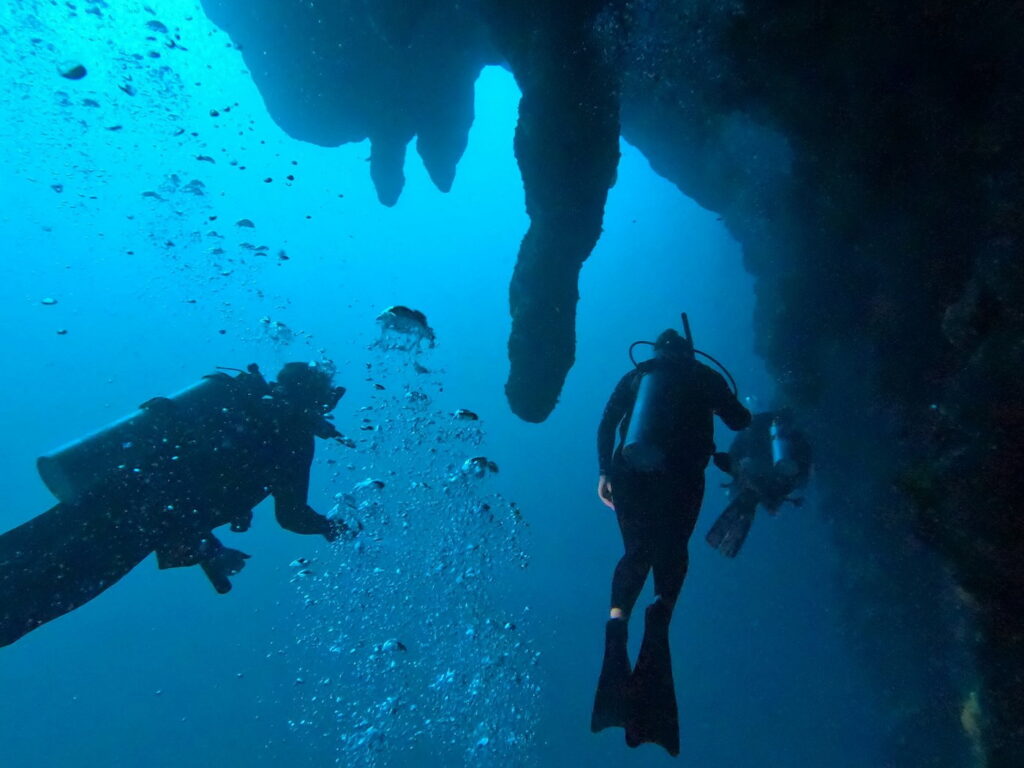
Inside the Blue Hole you’ll encounter:

  • Massive limestone stalactites
  • Cavern formations
  • Deep blue water
  • Cathedral-like spaces

Typical dives reach approximately 130 feet (40 meters).

The dive is famous not because of marine life, but because of the feeling of entering a submerged cave system created during the last Ice Age.

👉 How Deep Is the Blue Hole in Belize?

👉 Complete Guide to Diving the Great Blue Hole

Scuba divers swimming beneath massive stalactites inside the Great Blue Hole, Lighthouse Reef Atoll, Belize
Divers exploring the interior of the Great Blue Hole, where ancient stalactites reveal that this massive sinkhole was once a dry cave before rising sea levels flooded it.

What Most Photos Don't Show

Many first-time visitors arrive expecting the Blue Hole itself to be the entire experience.

Then they discover something surprising.

The surrounding reef often becomes their favorite part.

Around Lighthouse Reef Atoll you’ll find:

  • Coral walls
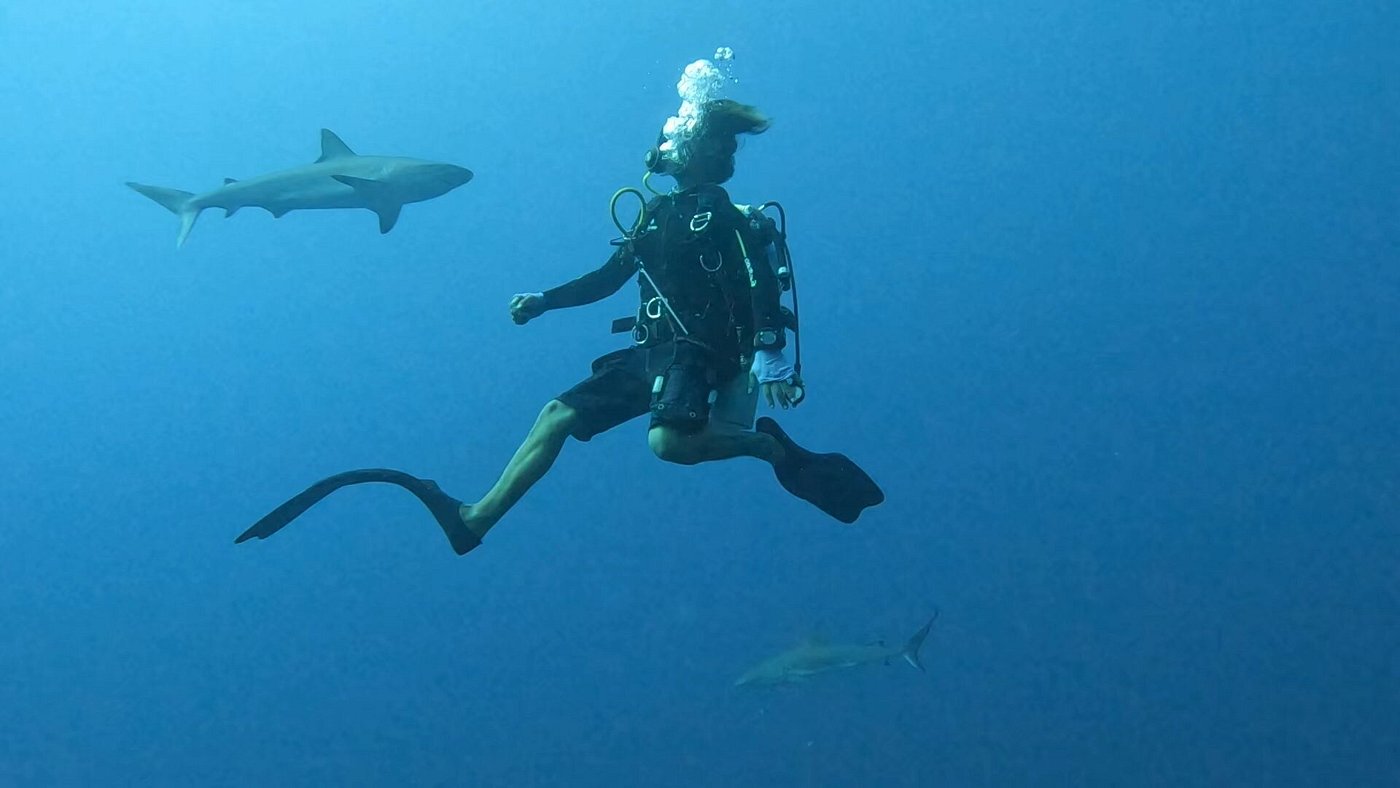
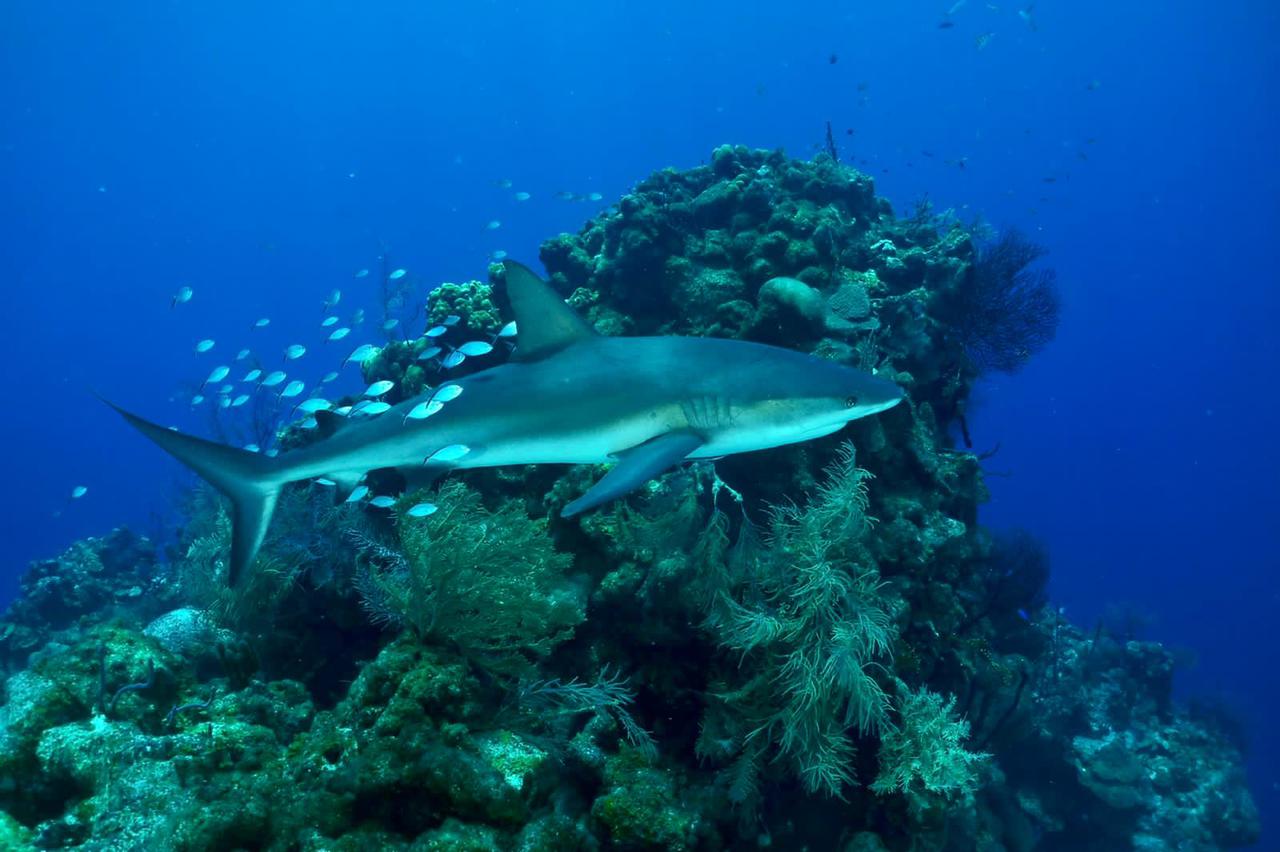
  • Reef sharks
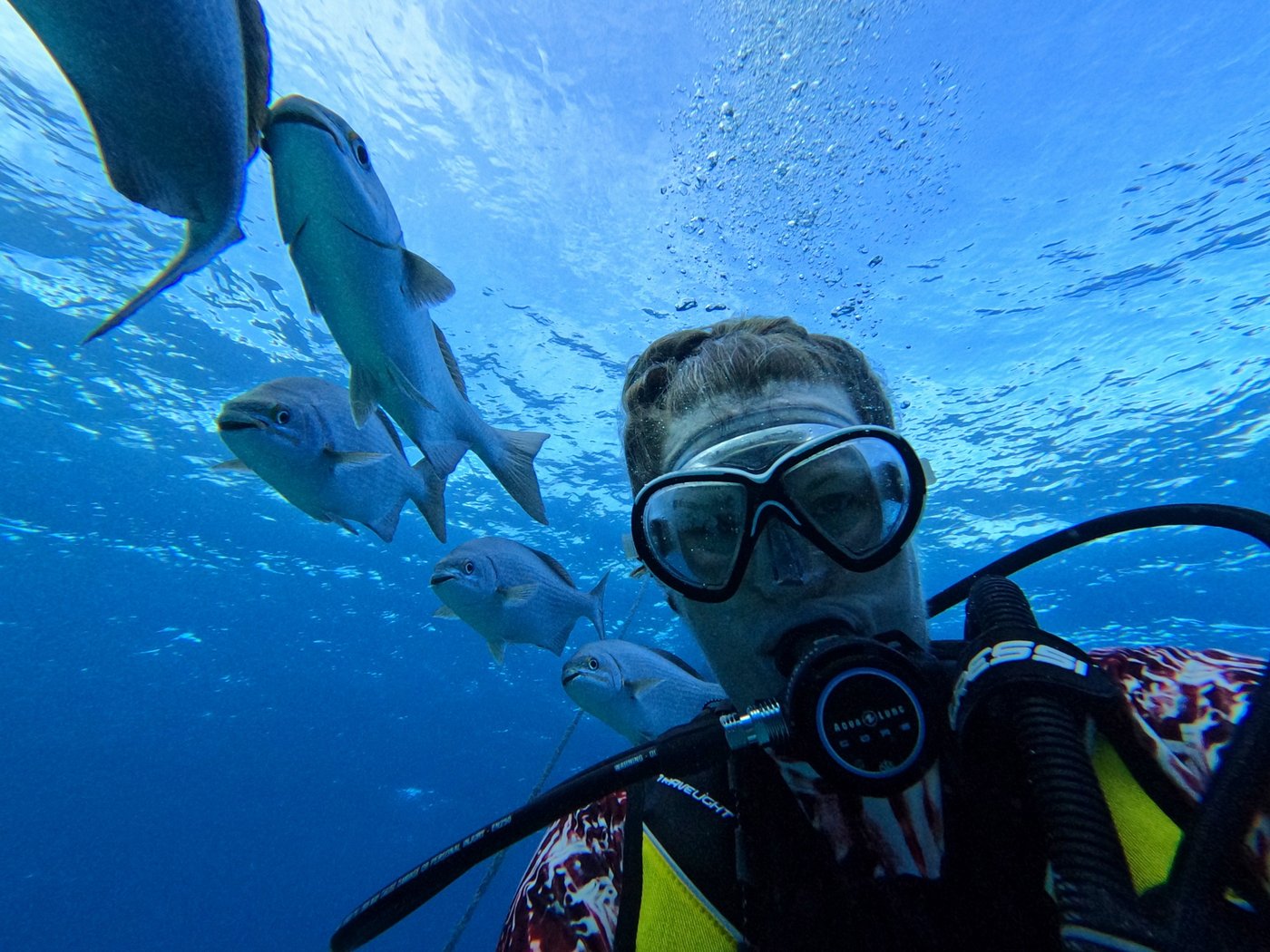
  • Eagle rays
  • Sea turtles
  • Colorful coral gardens
  • Exceptional visibility

Many divers leave saying:

“The Blue Hole was why I came. The reef is why I’ll return.”

Lighthouse Reef Atoll Marine Life.

The Blue Hole Is More Than a Dive—It's a Milestone Experience

People rarely visit the Great Blue Hole by accident.

It often becomes part of:

  • Anniversary trips
  • Bucket-list journeys
  • Dive vacations
  • Once-in-a-lifetime adventures

Whether viewed from a plane or experienced underwater, it becomes a story people tell long after the trip ends.

That is why the Great Blue Hole continues to appear on lists of the world’s most remarkable natural wonders.

Where Is the Best Place to Experience the Great Blue Hole?

Most visitors choose between two very different approaches.

From Ambergris Caye or Caye Caulker

Most travelers:

  • Depart before sunrise
  • Spend several hours traveling by boat
  • Visit the Blue Hole as part of a full-day excursion

This works well if you’re already staying on the islands.

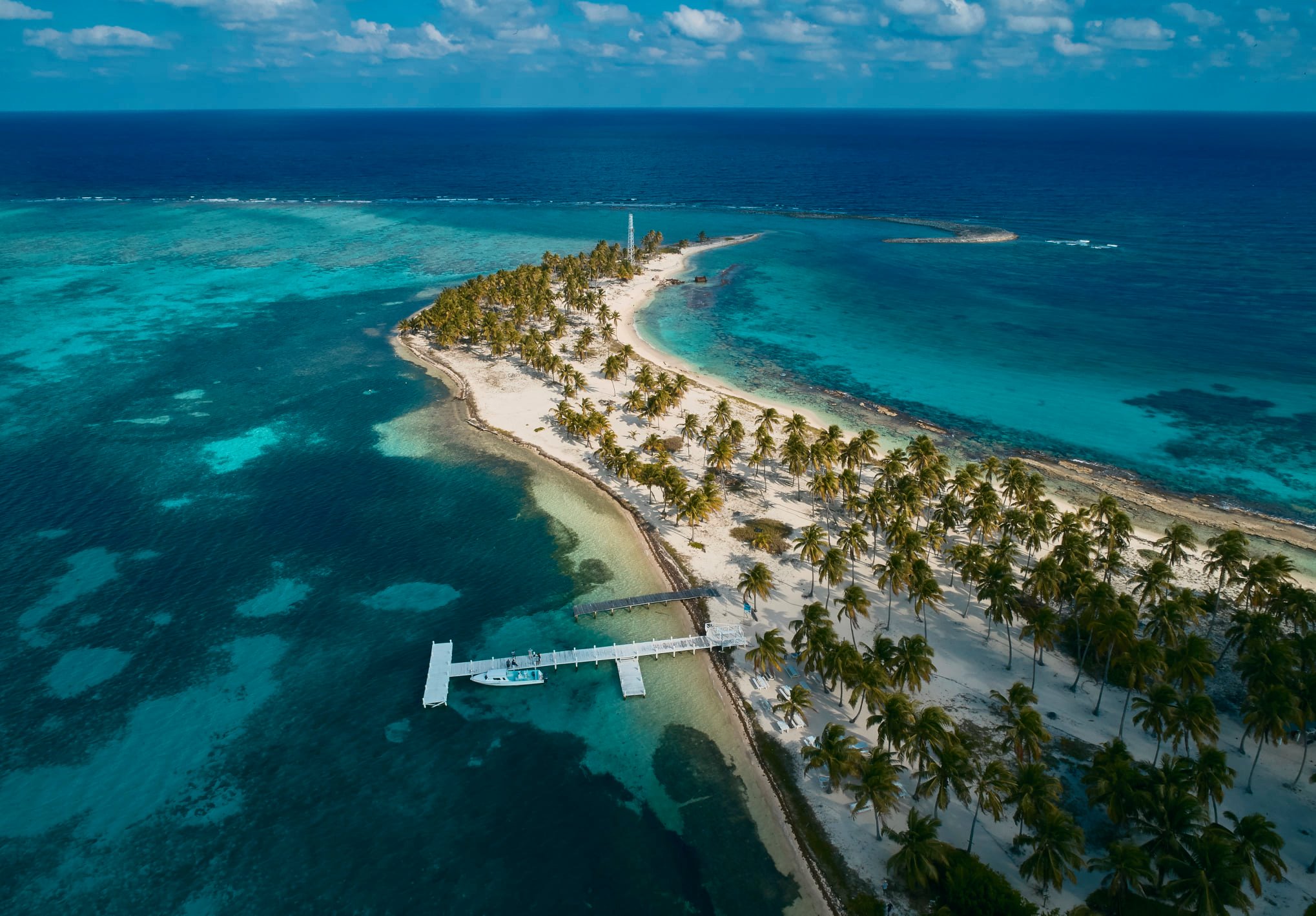
From Lighthouse Reef Atoll

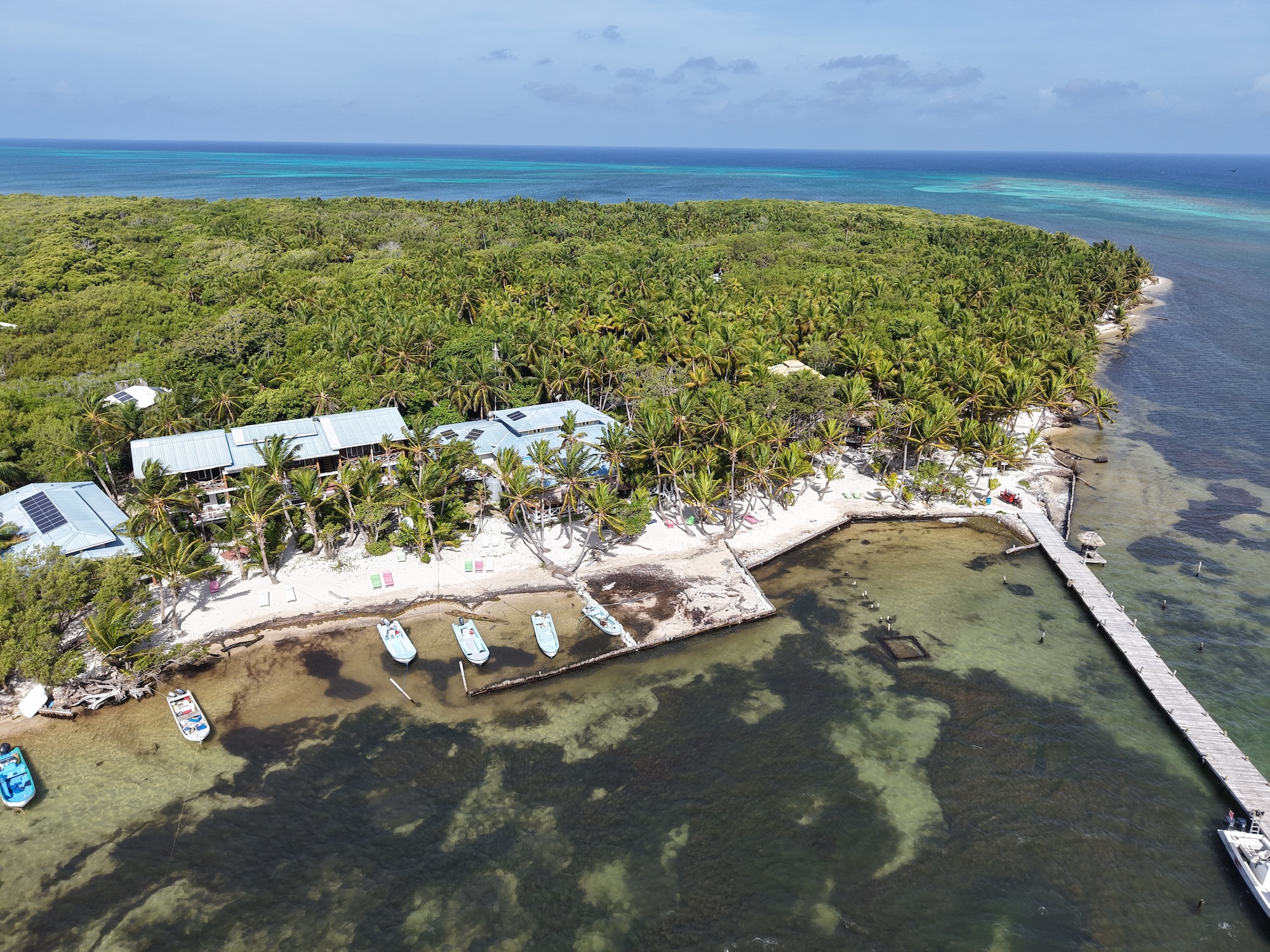
Guests staying at Itza Resort experience something entirely different.

Instead of traveling to the Blue Hole:

👉 You’re already there.

Benefits include:

✔ Less travel time

✔ More flexibility with weather

✔ Access to multiple reef dives

✔ A slower pace

✔ More time enjoying Lighthouse Reef itself

Rather than treating the Blue Hole as a single stop, guests experience the entire atoll environment.

Why Divers Have Been Drawn to Long Caye for Decades

Long before modern dive tourism expanded, explorers and researchers recognized the significance of Lighthouse Reef Atoll.

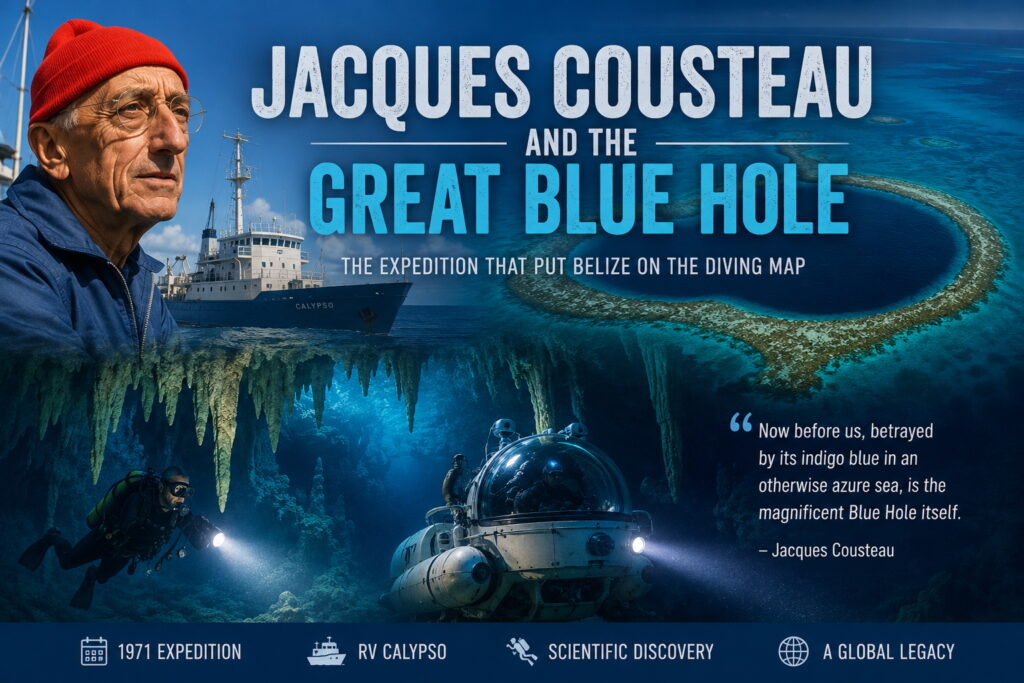
Jacques Cousteau’s famous expeditions helped introduce the Great Blue Hole to the world and brought international attention to this remote section of the Belize Barrier Reef.

Today, Long Caye remains one of the closest inhabited locations to the Great Blue Hole, allowing visitors to experience the area with significantly less travel than mainland-based excursions.

Illustration of Jacques Cousteau, the research vessel Calypso, and Belize's Great Blue Hole at Lighthouse Reef Atoll, highlighting the famous 1971 expedition that helped bring global attention to the Blue Hole.
Jacques Cousteau's 1971 expedition aboard the Calypso helped introduce Belize's Blue Hole and Lighthouse Reef Atoll to the world, inspiring generations of divers and marine explorers.

Is the Great Blue Hole Worth It?

If you’re looking for:

✔ One of the world’s most photographed natural wonders

✔ A unique geological formation

✔ A bucket-list dive

✔ An unforgettable flyover

Then the answer is usually yes.

The experience isn’t about checking off a destination.

It’s about standing in front of something that simply doesn’t exist anywhere else.

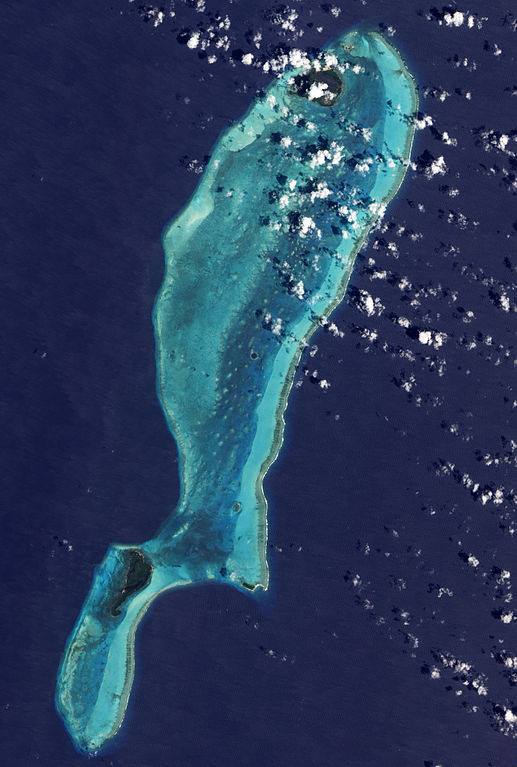
Satellite view of Lighthouse Reef Atoll in Belize showing the Great Blue Hole and surrounding coral reef structure in the Caribbean Sea
Lighthouse Reef Atoll from space — home to the Great Blue Hole, Half Moon Caye, and some of Belize’s most remote and pristine dive sites.

Planning to Experience the Great Blue Hole?

The way you experience the Blue Hole matters.

Where you stay.

How you get there.

How much time you spend at Lighthouse Reef.

Those decisions often determine whether it becomes a quick photo opportunity—or one of the most memorable parts of your Belize trip.

Continue Planning

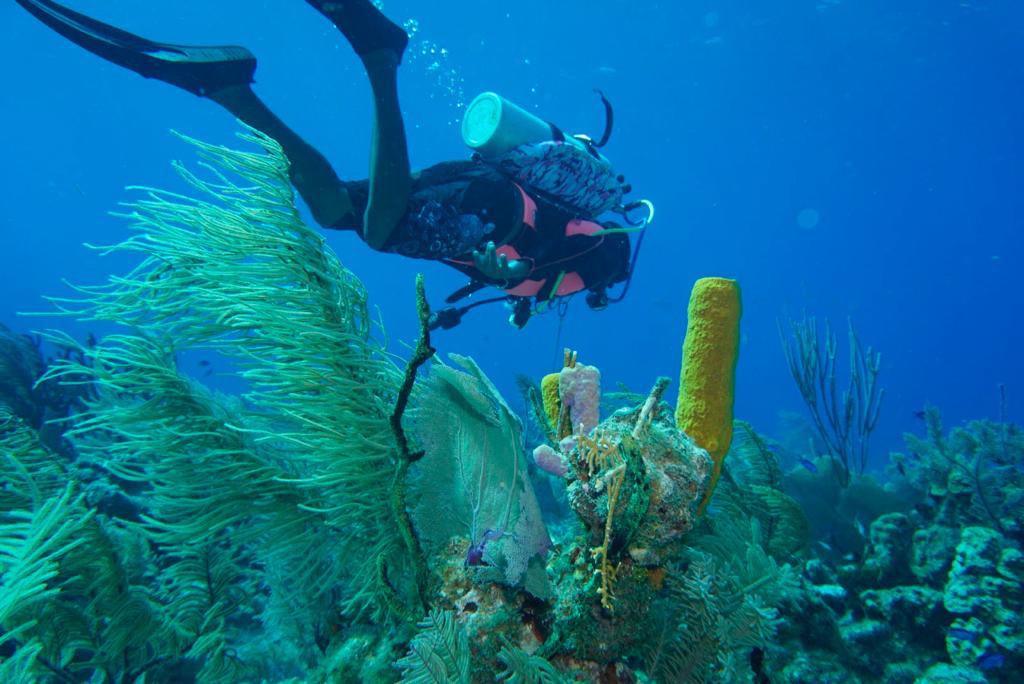
View from behind Elvis Solis scuba diving over a healthy Belize reef with orange sponges, sea fans, coral formations, and small tropical fish at Lighthouse Reef Atoll.

Who This Is For / Not For

✔ Certified divers
✔ Couples and small groups
✔ Reef-focused travelers
✔ Guests who enjoy quiet, remote places

May not be ideal for

✖ Luxury seekers
✖ Non-divers
✖ Nightlife travelers

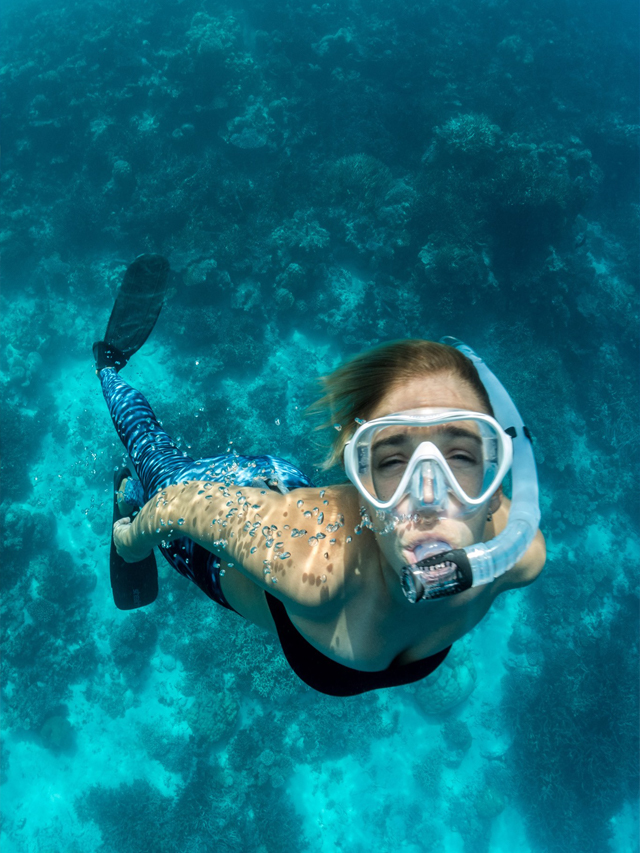
Non-divers are welcome, especially if they enjoy snorkeling, quiet island time, and nature — but Itza Resort is built around reef access and diving.

Quick Reality Check

Before You Book
  • No A/C (naturally ventilated oceanfront rooms with sea breeze and fans)
  • Remote island (2h boat)
  • Built around diving
👉 Worth it if you understand it.

Why Itza Is Different

Why Divers Choose Itza

  • Dive sites 5–15 minutes away
  • Small group diving
  • More dives per day
  • Close access to the Great Blue Hole
  • Located on Lighthouse Reef Atoll

Next Step

Plan Your Dive Trip

→ Dive Packages
→ Blue Hole vs Ambergris
→ Real Cost of a Dive Trip
→ What It’s Like Staying Here

Ready to Plan Your Stay?

Trips to Lighthouse Reef take a bit more planning — from boat transfers to dive days.

If you’re considering it, we can help you put it together properly.

Check Availability or Get a Package Quote

1