Lighthouse Reef Atoll Belize

Lighthouse Reef Atoll, Belize: What Makes It Different (And Why It Matters Where You Stay)

Most people hear about the Great Blue Hole first.

But what they don’t realize is this:

The Blue Hole is just one part of something much bigger — and much more important.

That place is Lighthouse Reef Atoll.

And if you understand how this atoll works…
you start to understand why some divers leave Belize amazed —
and others leave feeling like they missed it.

If you’re planning a dive trip to Belize, understanding how locations connect is important.
→ Planning to go diving in Belize

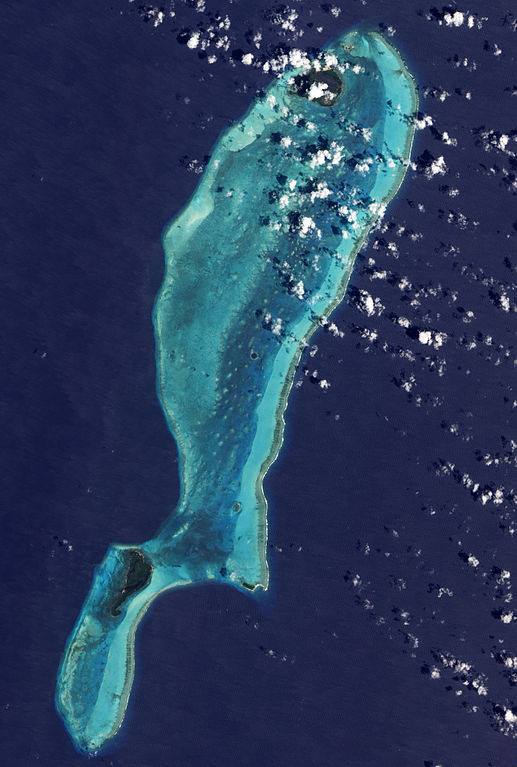
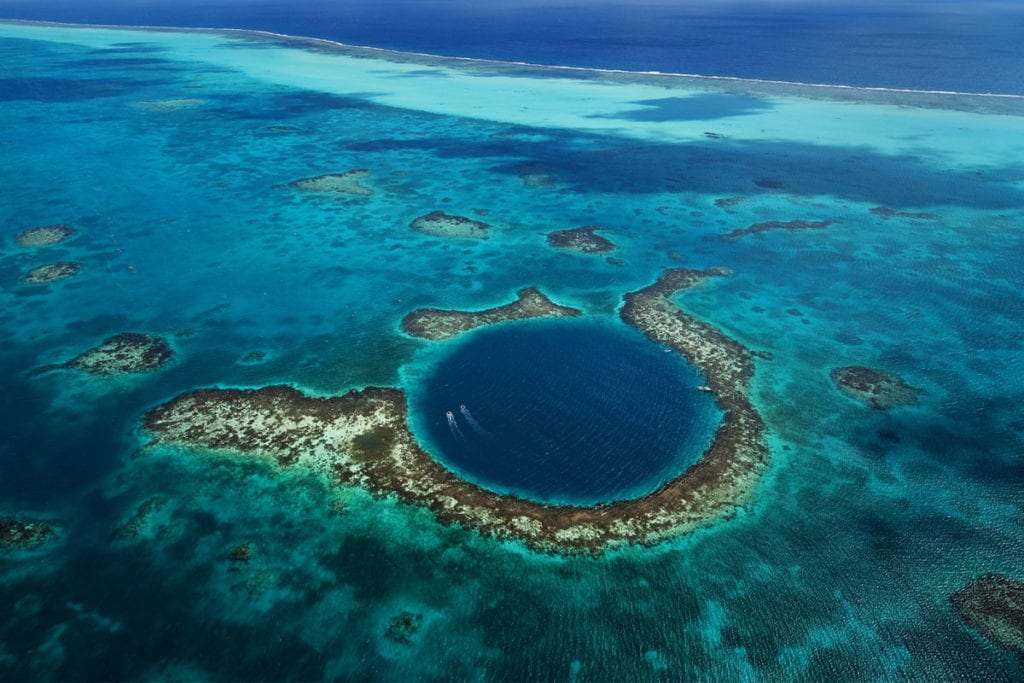
Satellite view of Lighthouse Reef Atoll in Belize showing the Great Blue Hole and surrounding coral reef structure in the Caribbean Sea

What Is Lighthouse Reef Atoll?

Lighthouse Reef Atoll sits about 50–80 km (30–50 miles) offshore from mainland Belize.

Lighthouse Reef sits far offshore — getting here is part of the experience and something you need to plan for.
→ How to get to Lighthouse Reef Atoll

It’s not part of the coastline reef.

It’s something completely different.

  • A ring-shaped coral system
  • Surrounding a shallow turquoise lagoon
  • With vertical walls, reef flats, and deep drop-offs
  • And at its center… the Great Blue Hole

It’s also one of only three true atolls in Belize
and one of only a handful in the entire Western Hemisphere.

That alone makes it rare.

But rarity isn’t what makes it special.

Why Lighthouse Reef Feels Different

1. It’s Far From Everything

Unlike the reefs near the mainland or islands…

This one sits far offshore.

That distance matters.

  • Less sediment
  • Less runoff
  • Less pressure from tourism

👉 The result:
clearer water and healthier reef systems

Typical visibility:

  • 50–100 feet
  • Sometimes lower with weather — but often better than nearshore reefs

2. The Reef Structure Is More Dramatic

Most Caribbean destinations give you one type of reef.

Lighthouse Reef gives you everything in one place:

  • Shallow reef flats
  • Patch reefs in the lagoon
  • Sloping fore reefs
  • Deep vertical walls (400+ ft drop-offs)

That’s why divers remember it differently.

It’s not just one dive style.

It’s a full system.

This is the kind of reef system divers come here to experience directly.
→ See what diving at Itza Resort is like

3. Marine Life Feels… More Present

You’ll see:

  • Reef sharks (especially around the Blue Hole)
  • Large schools of fish
  • Turtles, rays
  • Macro life in reef pockets

But what stands out isn’t just what you see…

It’s how undisturbed it feels.

Fish don’t behave the same way here
as they do on heavily trafficked reefs.

But structure is only part of the story — what lives here is what makes it unforgettable.
→ See the marine life at Lighthouse Reef

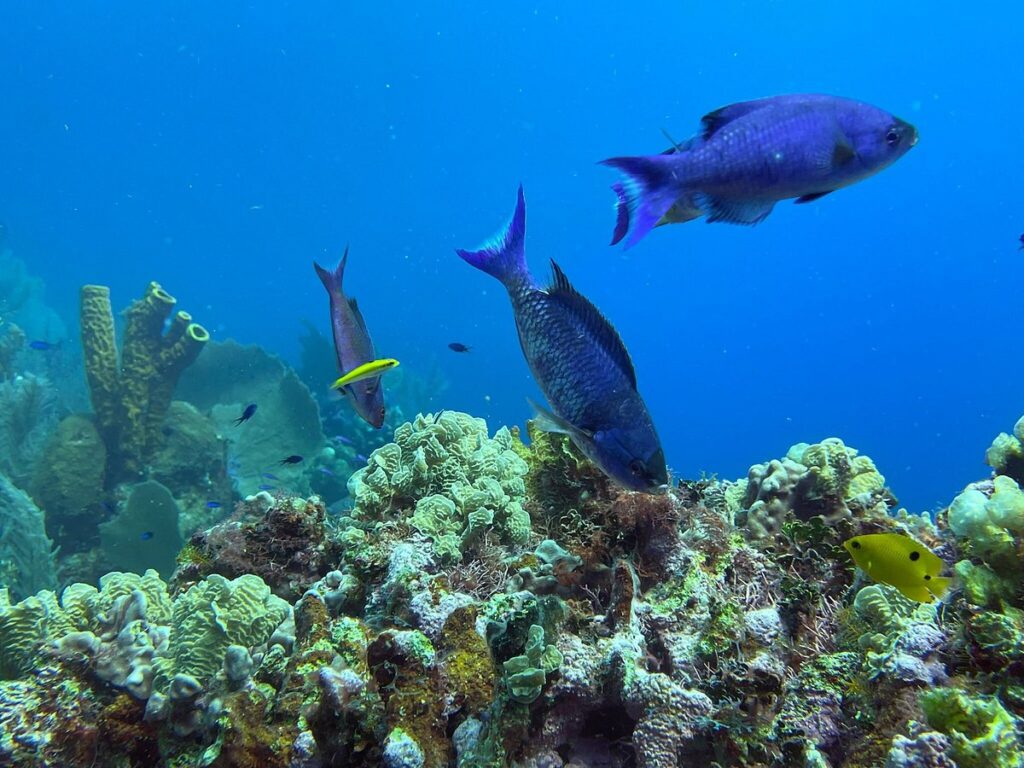
Healthy coral reef with tropical fish at Lighthouse Reef Atoll Belize
This is the part most people miss—the living reef systems around Lighthouse Reef that make every dive different.

Why Lighthouse Reef Is Still One of the Healthiest Reefs in the Caribbean

There’s a reason Lighthouse Reef still feels alive.

It’s not just distance.

👉 It’s protection.

Lighthouse Reef Atoll is not an open-access reef system.
It’s one of the most protected marine environments in Belize — and increasingly, in the Caribbean.

Belize’s First Marine Protection Efforts Started Here

  • Half Moon Caye Natural Monument (1982)
    👉 Belize’s first official protected area
  • Blue Hole Natural Monument
    👉 Protecting one of the most unique geological features on Earth
  • Lighthouse Reef Atoll Marine Reserve (2024)
    👉 Declared under national law to protect the entire atoll system

Together, these designations make Lighthouse Reef part of the
Belize Barrier Reef Reserve System — a globally recognized protected ecosystem.

Lighthouse Reef is globally respected.

How the Reef Is Managed (And Why It Matters)

This isn’t just a label.

The atoll is actively managed through:

  • Zoned protection areas
  • No-take zones (no fishing or extraction)
  • Spawning aggregation protection
  • Controlled tourism access

Some areas are fully off-limits to protect biodiversity.

Others allow limited, regulated use.

👉 That balance is what keeps the system functioning.

Strict Rules That Protect the Reef

Lighthouse Reef operates under clear conservation rules:

  • No fishing in high-protection zones
  • Shark protections (no finning, regulated capture)
  • Restrictions on longlines and gear
  • Seasonal closures for key species
  • Permits required for certain areas

Even land use is controlled:

  • Up to 80% of land must remain natural
  • Development requires environmental approval
  • No uncontrolled dredging or deforestation

👉 This is not accidental preservation.

It’s enforced protection.

Ongoing Conservation and Research

The atoll is co-managed by the
Belize Audubon Society,
alongside research and conservation groups.

Programs include:

  • Coral restoration (Reef Healers)
    Shark and ray monitoring (MarAlliance)
  • Spawning site protection
  • Marine debris interception
  • Habitat conservation (including mangroves and crocodiles)

Why This Matters for You as a Visitor

Most people don’t think about this part.

But they feel it.

👉 Healthier reefs
👉 More marine life
👉 Less crowd pressure
👉 More natural behavior underwater

That’s what these protections create.

And it’s also why access is more limited.

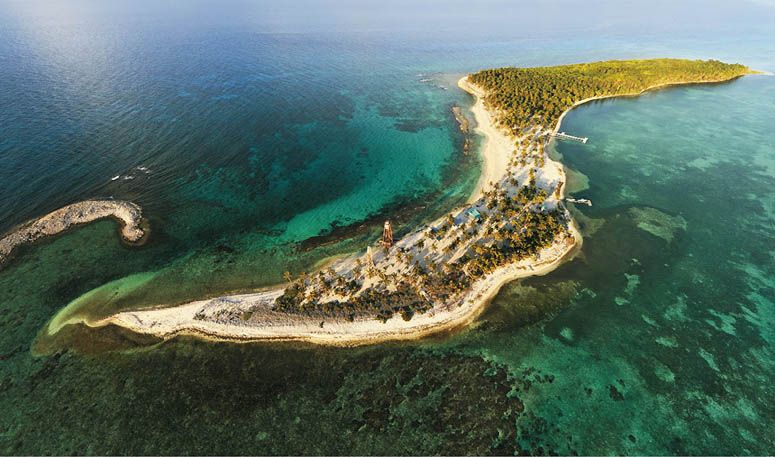
Half moon Caye

It’s Not Just a Reef — It’s a Living Sanctuary

Most people think of Lighthouse Reef as a dive destination.

But part of what makes this place different happens above the water.

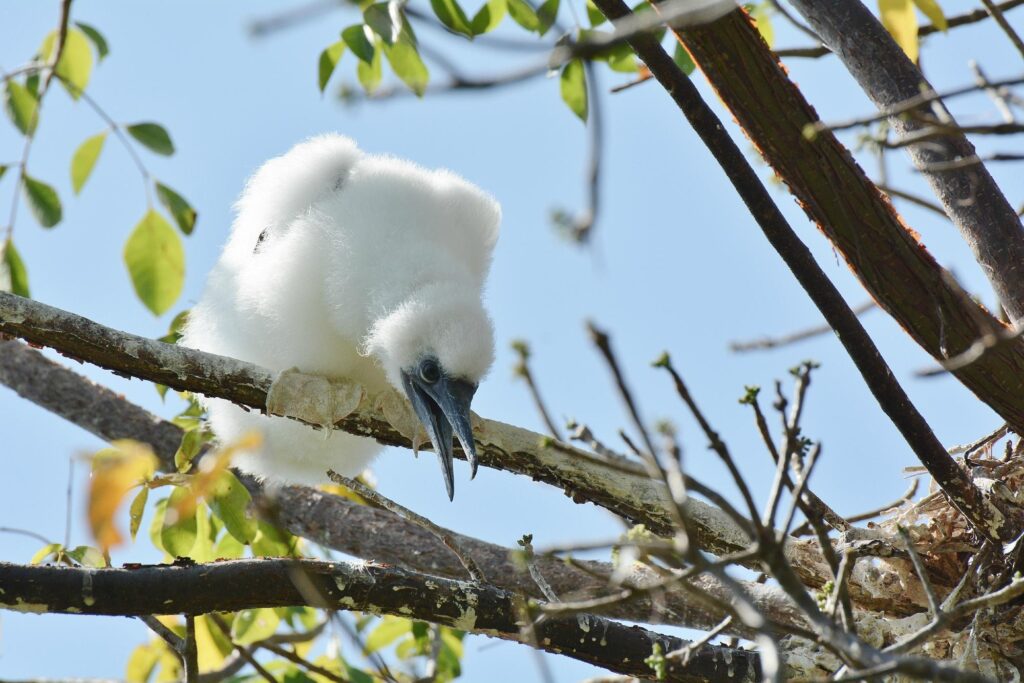
Half Moon Caye, inside the atoll, is home to one of the only nesting colonies of red-footed boobies in the Western Hemisphere.

These birds don’t choose busy places.

They nest here because the environment is still intact.

Because the reef, the mangroves, and the island all work together as one system.

👉 That’s what protection really means here.

It’s not just about coral.

It’s about everything connected to it.

One of the most unique parts of Lighthouse Reef is what happens above the water as well.
→ Visit Half Moon Caye in Belize

Red-footed booby chick on Half Moon Caye at Lighthouse Reef Atoll Belize
A red-footed booby chick on Half Moon Caye, part of the protected Lighthouse Reef Atoll. This island hosts one of the only nesting colonies of these seabirds in the Caribbean — a reminder that this reef is not just a dive site, but a living ecosystem.

Half Moon Caye is one of Belize’s oldest protected areas — and one of the few places in the Caribbean where red-footed boobies still nest in large numbers.

The Trade-Off Most Travelers Don’t Understand

You can’t have:

  • Easy access
  • Heavy tourism
  • And pristine reef conditions

All at the same time.

Lighthouse Reef chose preservation.

And that choice is exactly why it still stands out.

The Truth About the Great Blue Hole

The Blue Hole is famous.

But here’s the honest truth:

👉 It’s not a colorful reef dive.

It’s a geological dive.

  • A collapsed cave from the last Ice Age
  • With massive stalactites at ~130 ft
  • Limited coral and marine life inside

Some divers love it.

Some don’t.

But almost everyone agrees on this:

👉 The best diving at Lighthouse Reef is everything around it — not inside it.

The Blue Hole is more than just a dive site — it has a story most people don’t fully understand.
→ 15 interesting facts about the Great Blue Hole you didn’t know

Aerial photo of the Great Blue Hole in Belize, a UNESCO World Heritage Site, showing the deep blue circular sinkhole surrounded by turquoise reef waters.
The Great Blue Hole seen from above — one of Belize’s most iconic landmarks and part of the Belize Barrier Reef Reserve System, a UNESCO World Heritage Site. Its nearly perfect circular shape has helped make it the most recognizable blue hole in the world.

Lighthouse Reef vs Other Belize Atolls

Here’s how it compares:

Lighthouse Reef

  • Most remote
  • Home to the Blue Hole
  • Best for wall diving + advanced experiences
  • Strong currents at times
  • Requires overnight stay or long travel

Turneffe Atoll

  • Closest to mainland
  • More accessible
  • Mix of calm and exposed sites
  • Good for a wide range of divers

Glover’s Reef

  • More relaxed
  • Better for snorkeling and easy diving
  • Resort-based access

👉 Each has its place.

Not every dive setup in Belize offers this level of access and proximity.
→ See the best dive resorts in Belize

But Lighthouse Reef is the one people come for when they want something deeper.

Why Staying Nearby Changes Everything

This is where most people get it wrong.

They treat Lighthouse Reef like a day trip.

And technically… you can do that.

But here’s what that looks like:

  • Early departure (often before sunrise)
  • Long boat ride (2–3+ hours each way)
  • Limited time at sites
  • Weather-dependent experience

Now compare that to staying on the atoll:

  • Wake up on the reef
  • Short boat rides (minutes, not hours)
  • Better dive timing
  • More flexibility with conditions
  • Less exhaustion

👉 Same reef. Completely different experience.

What This Means for Your Experience

When you visit Lighthouse Reef, you’re not just going to a dive site.

👉 You’re entering a protected system.

That means:

  • You’ll notice the difference underwater
  • You’ll feel the lack of pressure
  • And you’ll understand why access is more controlled

And This Is Where Location Matters Again

Lighthouse Reef isn’t just remote.

It’s protected.

And the way places operate out here plays a role in keeping it that way.

At Itza Resort, that’s part of how things are done:

  • Rainwater is collected and used responsibly
  • Power comes from solar energy
  • Laundry is not done on-site to reduce chemical impact on the reef
  • Daily operations are designed around minimizing pressure on the environment

👉 These aren’t just features.

They’re part of how the reef stays what it is.

The Quiet Difference Most People Don’t See

When you stay closer to Lighthouse Reef…

You’re not just saving time on boat rides.

You’re stepping into a system that’s built differently.

  • Less waste
  • Less impact
  • More awareness of the environment you’re in

👉 And over time, that adds up.

It’s part of the reason the reef still feels alive when you get in the water.

See what staying here actually feels like → What It’s Like Staying on Lighthouse Reef

Who Lighthouse Reef Is Really For

This isn’t for everyone.

It’s best for:

✔ Divers who want uncrowded, real reef experiences
✔ People who care about quality over convenience
✔ Those willing to trade luxury for location and access
✔ Anyone serious about experiencing the Blue Hole properly

It may not be ideal if:

✘ You don’t plan to dive
✘ You prefer easy-access snorkeling only
✘ You want a resort-style vacation with nightlife and options

They are six inland total on the atoll.

The Reality Most Sites Won’t Tell You

Lighthouse Reef isn’t perfect.

  • Boat rides can be rough
  • Weather affects visibility
  • Conditions can change quickly
  • Coral health varies (like everywhere in the Caribbean)

But here’s the part that matters:

👉 It still offers something most places can’t — true isolation.

And that isolation is exactly why it still feels alive.

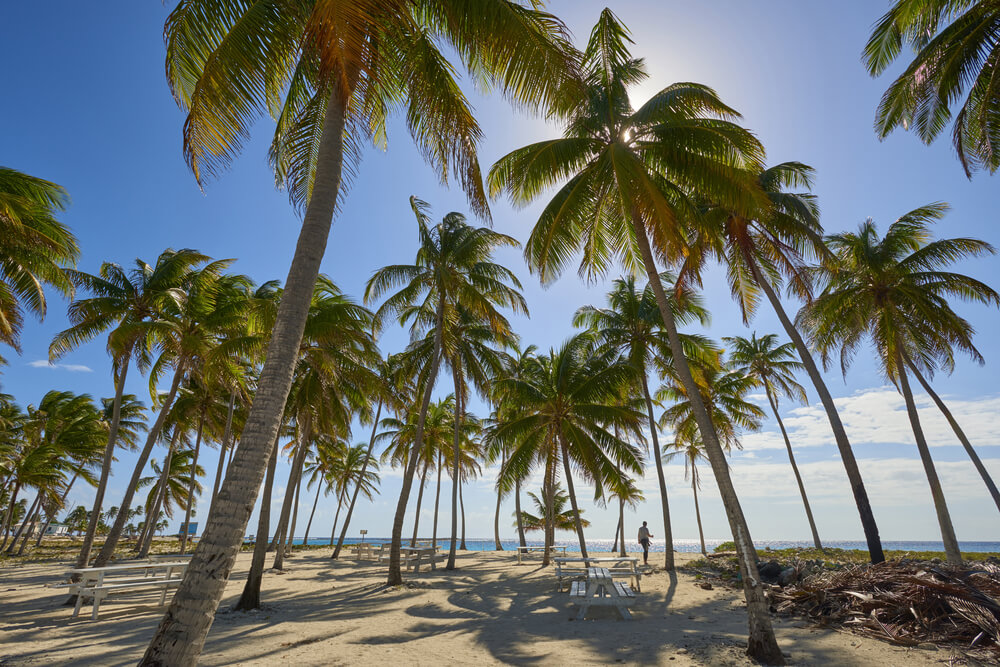
Belize - Half Moon Caye, Caribbean-Sea

Final Thought: It’s Not Just About Going — It’s About How You Experience It

Most people visit the Blue Hole.

Fewer actually experience Lighthouse Reef.

And the difference usually comes down to one decision:

👉 Where you stay.

Because out here…

Location isn’t just convenience.

It’s the entire experience.

Planning to Experience Lighthouse Reef the Right Way?

If you’re considering diving the Blue Hole or exploring Lighthouse Reef:

  • Being closer means less travel, more diving
  • Conditions can be read properly, not rushed
  • And the reef becomes something you experience — not just visit

👉 That’s the difference between a trip…

…and a memory that stays with you.

Staying on the atoll is very different from mainland Belize — and that difference shapes everything.
→ What to expect at Itza Resort

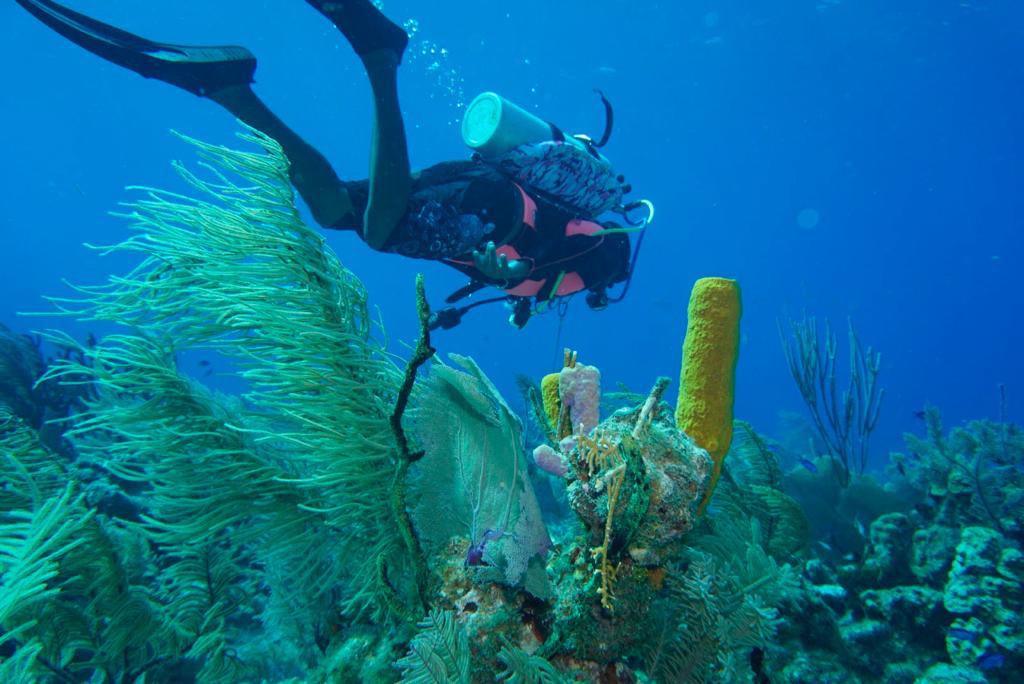
View from behind Elvis Solis scuba diving over a healthy Belize reef with orange sponges, sea fans, coral formations, and small tropical fish at Lighthouse Reef Atoll.

Who This Is For / Not For

✔ Certified divers
✔ Small groups / couples
✔ Reef-focused travelers

✖ Luxury seekers
✖ Non-divers
✖ Nightlife travelers

Quick Reality Check

Before You Book

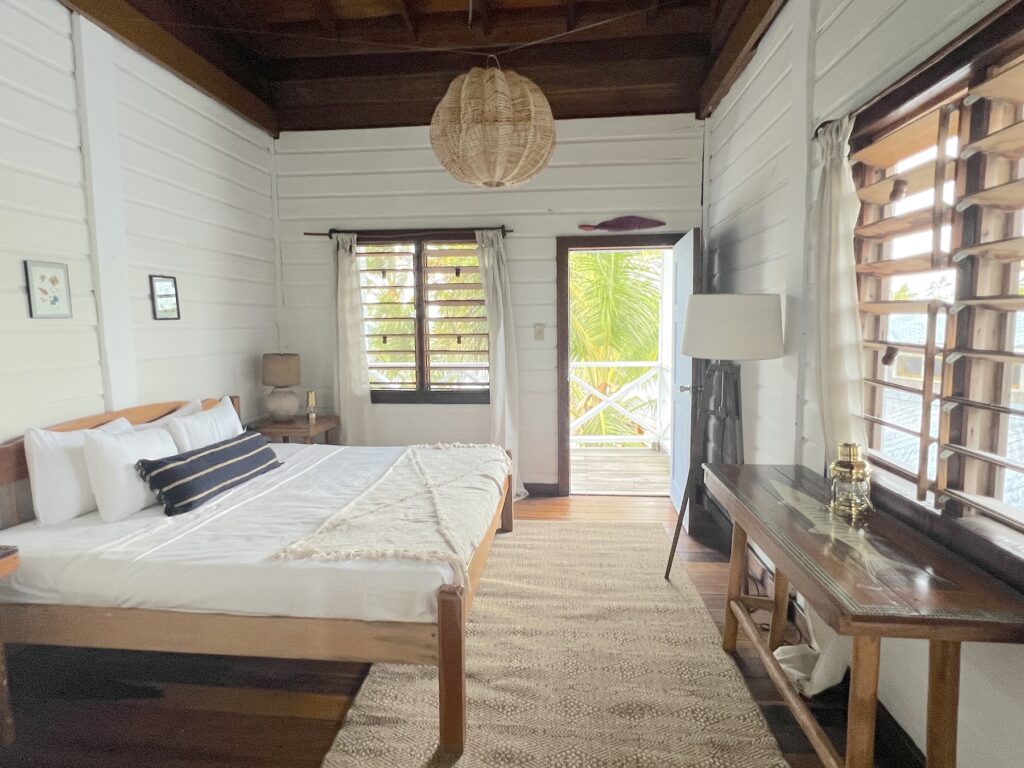
    • No A/C (naturally ventilated oceanfront rooms with sea breeze and fans)
  • Remote island (2h boat)
  • Built around diving

👉 Worth it if you understand it.

Why Itza Is Different

Why Divers Choose Itza

  • Dive sites 5–15 minutes away
  • Small group diving
  • More dives per day
  • Access to Lighthouse Reef

Next Step

Plan Your Dive Trip

→ Dive Packages
→ Blue Hole vs Ambergris
→ Real Cost of a Dive Trip
→ What It’s Like Staying Here

Ready to Plan Your Stay?

Get exact availability, pricing, and dive options based on your dates.

Check Availability or Get a Package Quote

1