
When people search for the Blue Hole, they are usually searching for Belize.
Not because Belize has the deepest blue hole in the world.
Not because it is the largest.
But because the Great Blue Hole has become one of the most recognizable natural features on Earth.
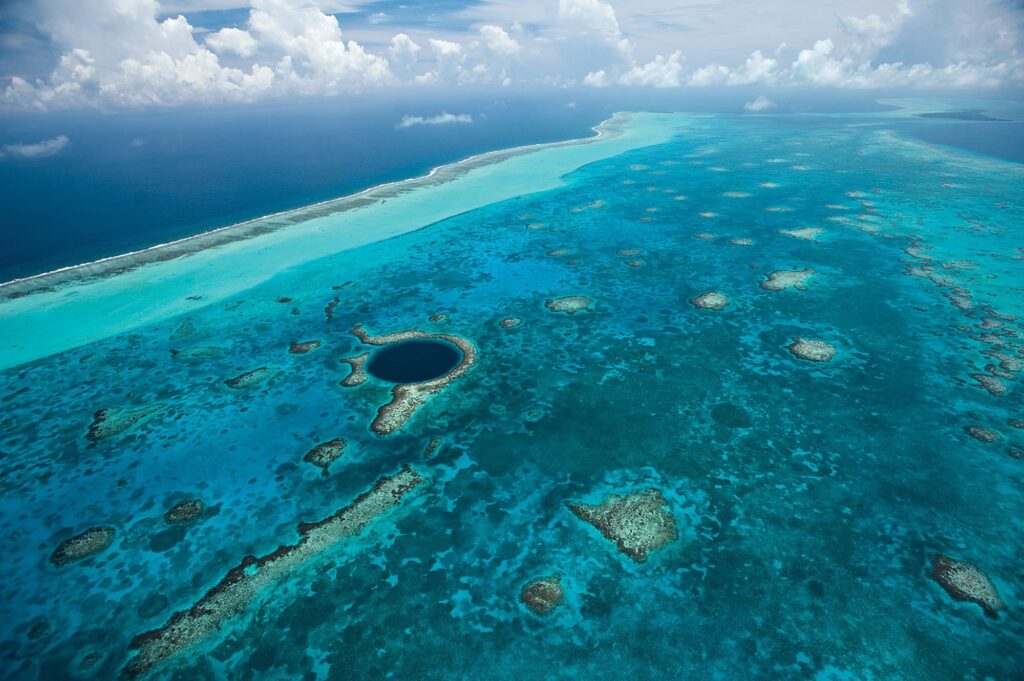
From the air, it looks almost unreal—a giant dark blue circle surrounded by turquoise water in the middle of Lighthouse Reef Atoll.
Yet many visitors are surprised to learn that Belize’s famous Great Blue Hole is not the deepest blue hole on the planet.
Several blue holes discovered in Mexico, the Bahamas, Egypt, and the South China Sea extend much deeper into the Earth.
So how deep is the Blue Hole in Belize? And how does it compare to the world’s deepest blue holes?
Let’s take a closer look.
New to the Great Blue Hole? Start here:
→ What Is the Great Blue Hole
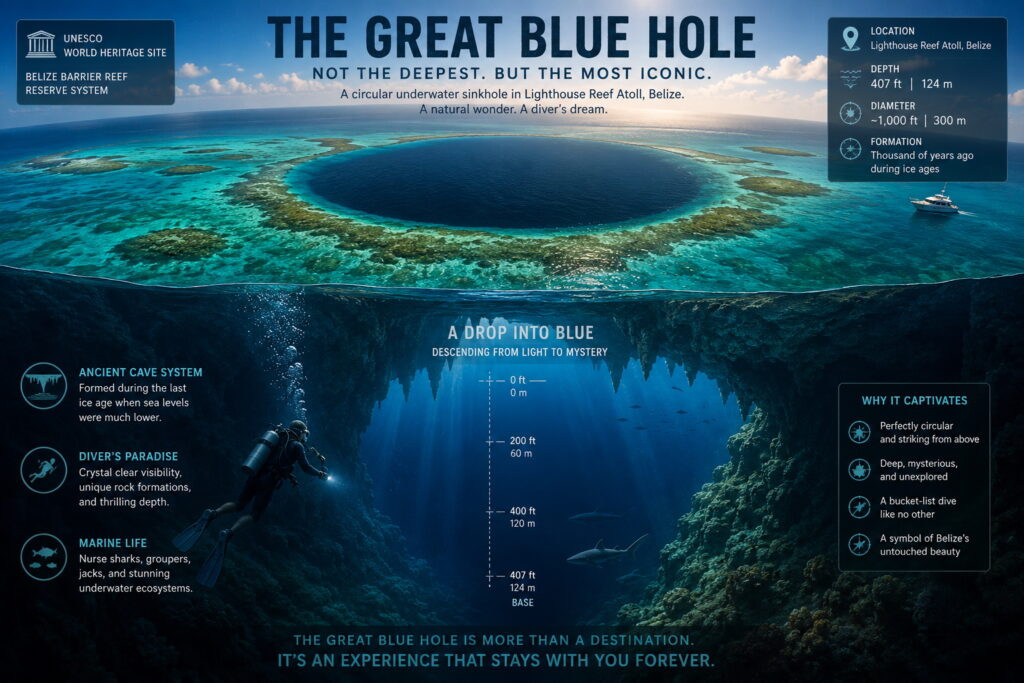
A blue hole is a large underwater sinkhole formed in limestone.
Most blue holes began as dry cave systems during periods when sea levels were significantly lower than they are today. As glaciers melted at the end of the last Ice Age, rising oceans flooded these caves and created the deep circular openings we now call blue holes.
The dark blue appearance comes from their depth, which contrasts sharply with the lighter colors of surrounding shallow water.
Some blue holes are found offshore in the ocean. Others are located inland and connect to underground cave systems.
Long before scuba diving, sonar, and modern exploration equipment existed, blue holes inspired stories and legends.
Fishermen often described them as bottomless.
Some cultures believed they were entrances to the underworld.
Others imagined sea spirits, giant creatures, or hidden worlds beneath the surface.
The reason is simple.
Blue holes look different.
Their dark blue color contrasts dramatically against nearby reefs and shallow water, making them appear mysterious and unknowable.
Even today, standing above a blue hole can feel like looking into another world.
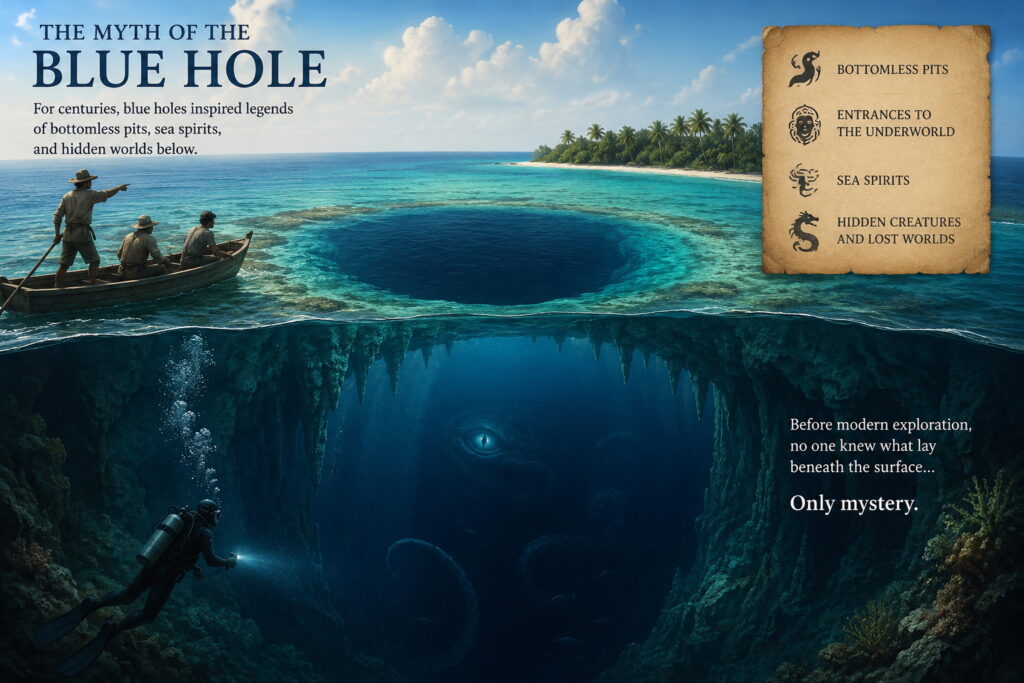
For centuries, sailors and coastal communities believed blue holes were bottomless pits. Their dark blue color contrasted sharply against the surrounding reef, making them appear deeper than anyone could measure.
Before sonar, scuba gear, and modern exploration, stories grew around these formations. Some cultures described them as entrances to the underworld, while others believed sea spirits or unknown creatures lived below.
Today we know the Great Blue Hole in Belize is approximately 407 feet (124 meters) deep. Yet the mystery remains part of its appeal. Even now, scientists continue discovering deeper blue holes around the world, including Mexico’s Taam Ja’ Blue Hole, which may exceed 1,380 feet in depth.
The Great Blue Hole reaches a depth of approximately 407 feet (124 meters).
| Feature | Measurement |
|---|---|
| Depth | 407 ft (124 m) |
| Width | 1,043 ft (318 m) |
| Shape | Nearly Circular |
| Location | Lighthouse Reef Atoll, Belize |
| Distance from Belize City | Approximately 43 miles (70 km) |
| UNESCO Status | Part of the Belize Barrier Reef Reserve System |
No.
Several blue holes around the world are significantly deeper.
However, depth alone does not determine fame.
Many of the world’s deepest blue holes are known primarily to scientists and technical divers. Belize’s Great Blue Hole became globally recognized because it is visually spectacular, accessible, and surrounded by some of the Caribbean’s best reef diving.
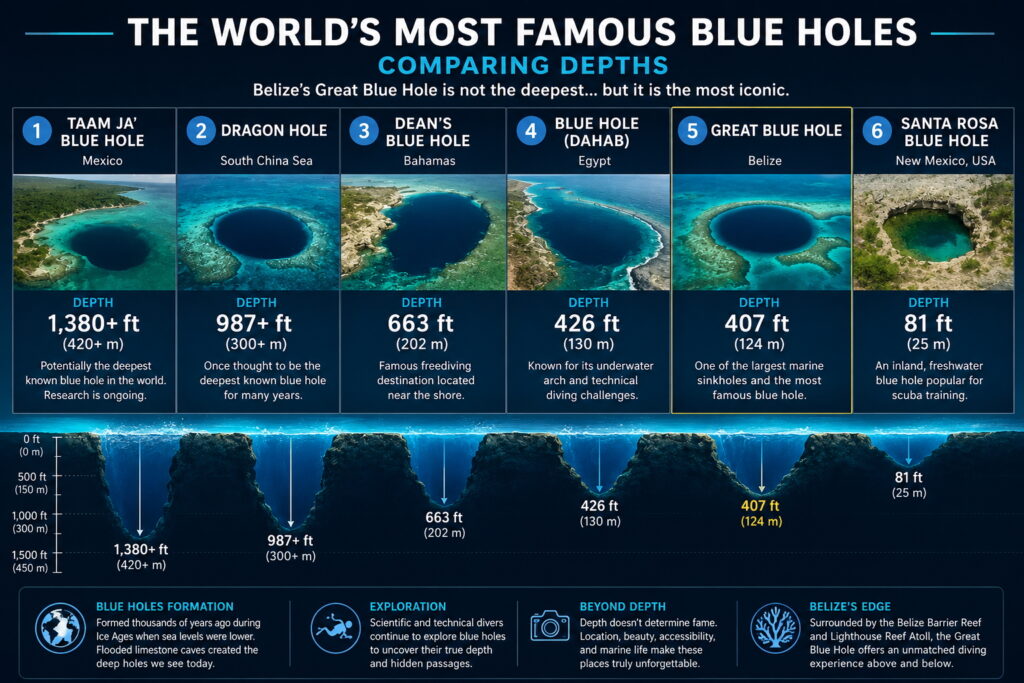
| Blue Hole | Country | Approximate Depth |
|---|---|---|
| Taam Ja’ Blue Hole | Mexico | 1,380+ ft (420+ m) |
| Dragon Hole | South China Sea | 987+ ft (300+ m) |
| Dean’s Blue Hole | Bahamas | 663 ft (202 m) |
| Blue Hole (Dahab) | Egypt | 426 ft (130 m) |
| Great Blue Hole | Belize | 407 ft (124 m) |
| Santa Rosa Blue Hole | New Mexico, USA | 81 ft (25 m) |
One thing becomes clear immediately:
Belize does not have the deepest blue hole.
So why is it still the most famous?
Taam Ja’ has captured the attention of scientists around the world.
Located in Chetumal Bay near Mexico’s Caribbean coast, current measurements suggest it extends beyond 1,380 feet (420 meters), making it potentially the deepest known blue hole on Earth.
Researchers are still studying its true depth and structure.
Unlike Belize’s Great Blue Hole, Taam Ja’ remains largely a scientific mystery.
Very few travelers visit specifically to experience it.
In April 2024, Guinness World Records recognized Taam Ja’ as the deepest known blue hole currently measured, with a confirmed depth of at least 420 meters (1,377 feet), though researchers have not yet reached the absolute bottom.
Often called the “Eye of the South China Sea,” Dragon Hole reaches depths exceeding 987 feet (300 meters).
For years it was considered the deepest known blue hole in the world.
Because of its remote location, relatively few recreational divers ever visit it.
Most interest comes from scientific exploration and marine research.
Located on Long Island in the Bahamas, Dean’s Blue Hole is one of the world’s most famous freediving destinations.
At approximately 663 feet (202 meters) deep, it is significantly deeper than Belize’s Great Blue Hole.
Unlike Belize’s offshore location, Dean’s Blue Hole begins close to shore, making it more accessible for freedivers, researchers, and underwater photographers.
Today it hosts international freediving competitions and training events.
The Blue Hole of Dahab is one of the most famous dive sites in the Red Sea.
At approximately 426 feet (130 meters) deep, it is only slightly deeper than Belize’s Great Blue Hole.
Its fame comes from a natural underwater arch connecting the sinkhole to the open sea.
The site attracts advanced divers from around the world and has earned a reputation as one of the most technically challenging blue hole dives on Earth.
The Great Blue Hole sits inside Lighthouse Reef Atoll, approximately 43 miles offshore Belize City.
At over 1,000 feet across and 407 feet deep, it is one of the largest marine sinkholes in the world.
What makes it special is not simply its size.
Its nearly perfect circular shape, surrounding coral reef, and vivid contrast against turquoise Caribbean waters create one of the most recognizable natural images on Earth.
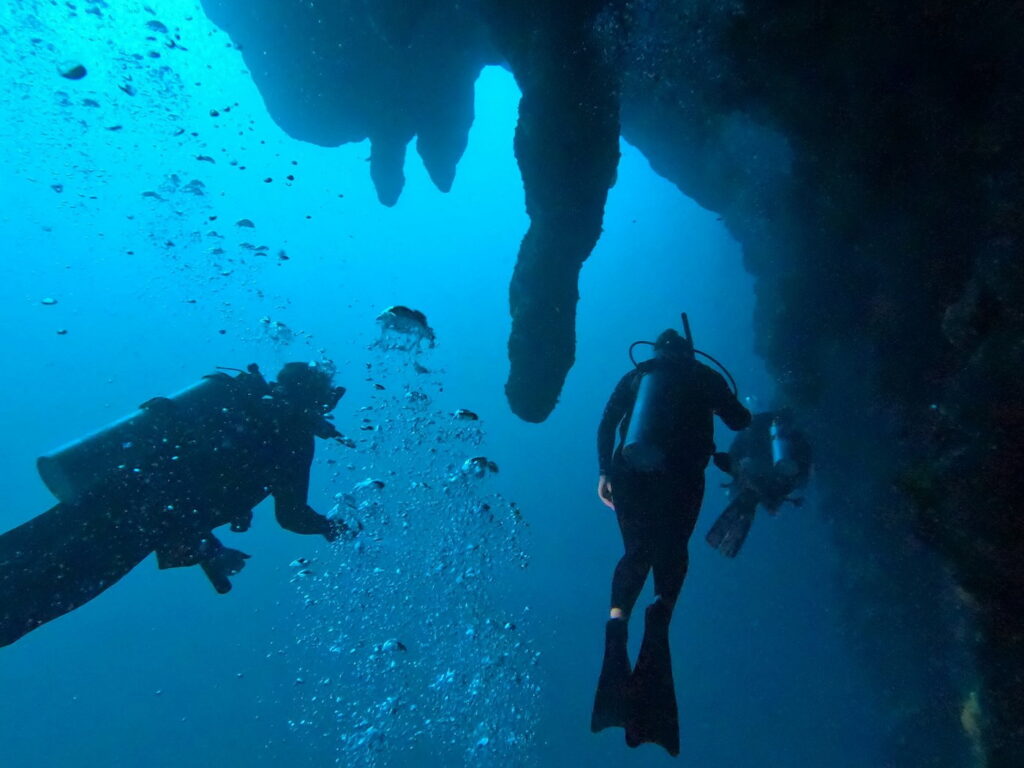
The site gained worldwide attention after expeditions led by Jacques Cousteau helped reveal the massive stalactites hidden deep inside the sinkhole.
Today, divers and photographers travel from around the world to experience one of the planet’s most iconic marine landmarks.
Many divers discover that the Blue Hole is only part of the story:
→ Top 10 Dive Sites Around the World Divers Never Forget
Unlike the marine blue holes found in Belize, Mexico, and the Bahamas, Santa Rosa Blue Hole is an inland spring-fed sinkhole.
At approximately 81 feet (25 meters) deep, it is much shallower than the others on this list.
Its crystal-clear water has made it popular with scuba training programs and recreational divers throughout the American Southwest.
This is one of the most common misconceptions.
The Great Blue Hole is not:
Yet it remains the most famous blue hole on Earth.
Why?
Because fame comes from more than depth.
The Great Blue Hole combines:
Many blue holes are deeper.
Few are as recognizable.
When most people imagine a blue hole, they picture Belize.
The Great Blue Hole sits within one of the most biologically rich marine environments in the Caribbean.
Visitors aren’t traveling offshore simply to stare into a deep hole in the ocean.
They are traveling to experience:
The Blue Hole is the headline.
The surrounding reef is the full experience.
This is one reason many divers say their favorite dive of the trip is actually Half Moon Caye Wall, not the Blue Hole itself.
The Great Blue Hole also benefits from being part of the larger Belize Barrier Reef system, one of the most celebrated marine ecosystems in the Western Hemisphere.
Together, the reef and the sinkhole create an experience few destinations can match.
Wondering if it lives up to the hype?
→ Is the Great Blue Hole Worth It?
Standing above the Great Blue Hole today, it is easy to understand why early sailors believed it had no bottom.
Its dark center appears almost black against the surrounding reef.
Before modern exploration equipment existed, nobody knew how deep it truly was.
The idea of a bottomless hole captured imaginations for generations.
Modern surveys have measured its depth at approximately 407 feet, but the sense of mystery remains part of its appeal.
For many visitors, that mystery is just as powerful as the actual number.
Most travelers visit the Great Blue Hole as a day trip.
They leave before sunrise.
Cross open Caribbean water for hours.
Dive the hole.
Maybe do a quick wall dive afterward.
Then head all the way back to the mainland or islands.
And while the Blue Hole itself is unforgettable, many experienced divers say the real transformation happens when you stay at Lighthouse Reef Atoll itself.
Because the atoll changes the rhythm of the experience.
The ocean feels calmer in the morning.
The reef no longer feels rushed.
Surface intervals happen beside turquoise water instead of on a crowded return boat.
Sunrise and sunset become part of the trip—not something missed during transit.
And most importantly, you spend more time exploring the surrounding reef system that divers consistently describe as the true highlight of the region.
Especially:
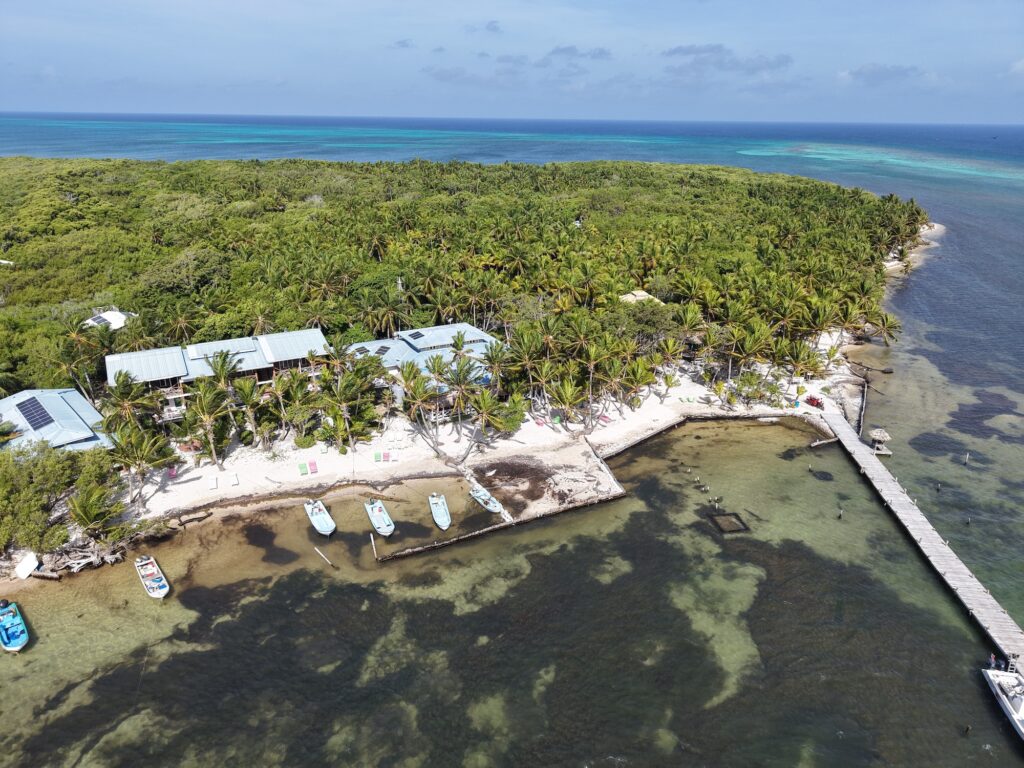
For guests staying at Itza Resort, the Great Blue Hole becomes part of a larger offshore experience—not just a single dive site.
That difference matters more than many travelers realize.
Because while the Blue Hole may be the image that inspires people to come, Lighthouse Reef is often what makes them fall in love with Belize diving in the first place.
Planning a trip to Lighthouse Reef Atoll?
→ Where to Stay for the Great Blue Hole
The answer is approximately 407 feet (124 meters).
It is not the deepest blue hole on Earth.
It is not the largest.
Yet decades after explorers first introduced it to the world, the Great Blue Hole remains the blue hole most people recognize instantly.
Not because of a number on a depth chart.
But because of where it sits.
Surrounded by coral reefs, marine life, dramatic walls, and one of the most remarkable atoll systems in the Caribbean, the Great Blue Hole is part of something much larger than itself.
The hole may start the conversation.
But Lighthouse Reef Atoll is what gives that conversation meaning.
And for many divers, that is the part they remember long after they return home.
Whether you’re researching, planning a dive trip, or simply fascinated by blue holes, these guides can help you go deeper:
→ What Is the Great Blue Hole
→ Is the Great Blue Hole Worth It?
→ Magical Thrill of Diving in the Great Blue Hole in Belize
→ Diving the Great Blue Hole
→ Tips for Visiting and Diving Belize Blue Hole
→ 10 Interesting Facts About the Great Blue Hole You Didn’t Know
→ Where to Stay for the Great Blue Hole
→ Top 10 Dive Sites Around the World Divers Never Forget

✔ Certified divers
✔ Couples and small groups
✔ Reef-focused travelers
✔ Guests who enjoy quiet, remote places
May not be ideal for
✖ Luxury seekers
✖ Non-divers
✖ Nightlife travelers
Non-divers are welcome, especially if they enjoy snorkeling, quiet island time, and nature — but Itza Resort is built around reef access and diving.
Why Divers Choose Itza

Plan Your Dive Trip
→ Dive Packages
→ Blue Hole vs Ambergris
→ Real Cost of a Dive Trip
→ What It’s Like Staying Here
Ready to Plan Your Stay?
Trips to Lighthouse Reef take a bit more planning — from boat transfers to dive days.
If you’re considering it, we can help you put it together properly.